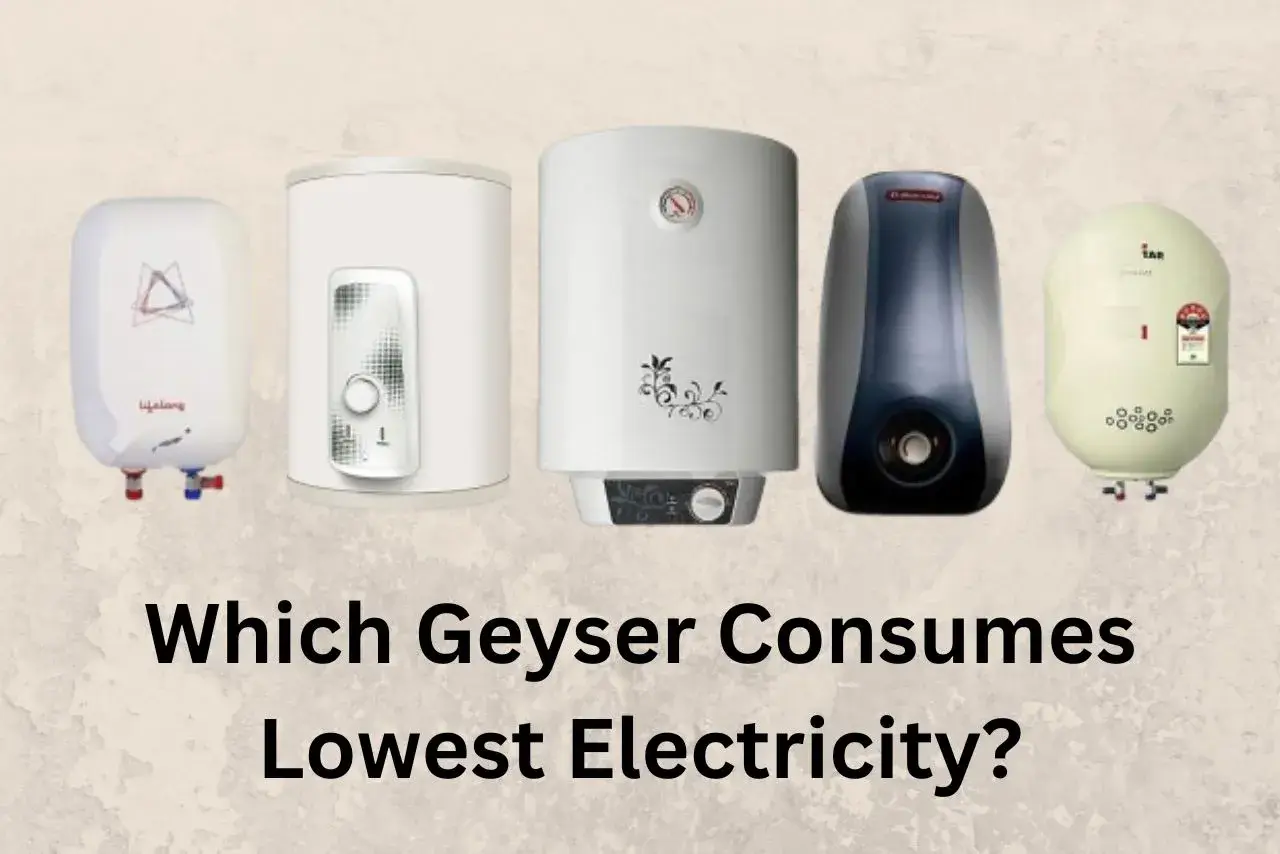
Nobody likes an unexpectedly high electricity bill, and water heating is usually the second-biggest contributor after air conditioning. Choosing the right type of geyser, and using it correctly, can make a real difference to your monthly cost. So which geyser actually consumes the lowest electricity.
Whether you’re replacing an old unit or setting up a new home, understanding geyser power consumption is crucial. In this guide, I’ll share everything I’ve learned about energy-efficient geysers, including some findings that go against the common advice.
Why trust this guide: This article is written by Abdul Khader, who has spent over 4 years installing and servicing geysers in Indian homes and has seen which habits actually move the needle on a bill. The figures below are based on typical Indian tariffs and BEE guidance.
Quick answer: A solar water heater uses close to zero grid electricity, and a 5-star instant geyser is the cheapest electric option for light use. For daily family use, a 5-star storage geyser with good insulation and correct habits, switched on only when needed, usually beats a basic instant model on total cost.
Factors That Determine Which Geyser Consumes Lowest Electricity?
Understanding what affects a geyser’s electricity usage can help you make an informed decision. Here are the key factors:
| Type of Geyser | Average Monthly Electric Cost (INR) | Ideal For | Notes |
| Instant Geyser | 300 – 600 | Small households, kitchens | Heats water on demand, no storage loss |
| Storage Geyser (5-Star) | 700 – 1,500 | Medium to large families | Insulated tanks reduce heat loss |
| Solar Water Heater | 0 – 300 | Homes with rooftop space | No electricity use, needs sunlight |
| Electric Geysers | 800 – 1,500 | General household use | Choose a 5-star model for better efficiency |
- Type of Geyser: Different geysers—instant, storage, solar, and heat pump—have varying energy requirements.
- Wattage & Power Rating: Higher wattage means faster heating but increased power consumption.
- Insulation Quality: Good insulation reduces heat loss, maintaining water temperature longer and saving energy.
- Capacity: Larger tanks require more energy to heat all the water.
- BEE Star Rating: Geysers with higher star ratings are more energy-efficient.
- Usage Patterns: Frequent on-off cycles can lead to higher energy consumption.
Types of Energy-Efficient Geysers
Instant Water Geysers – Best for Quick Heating & Low Usage
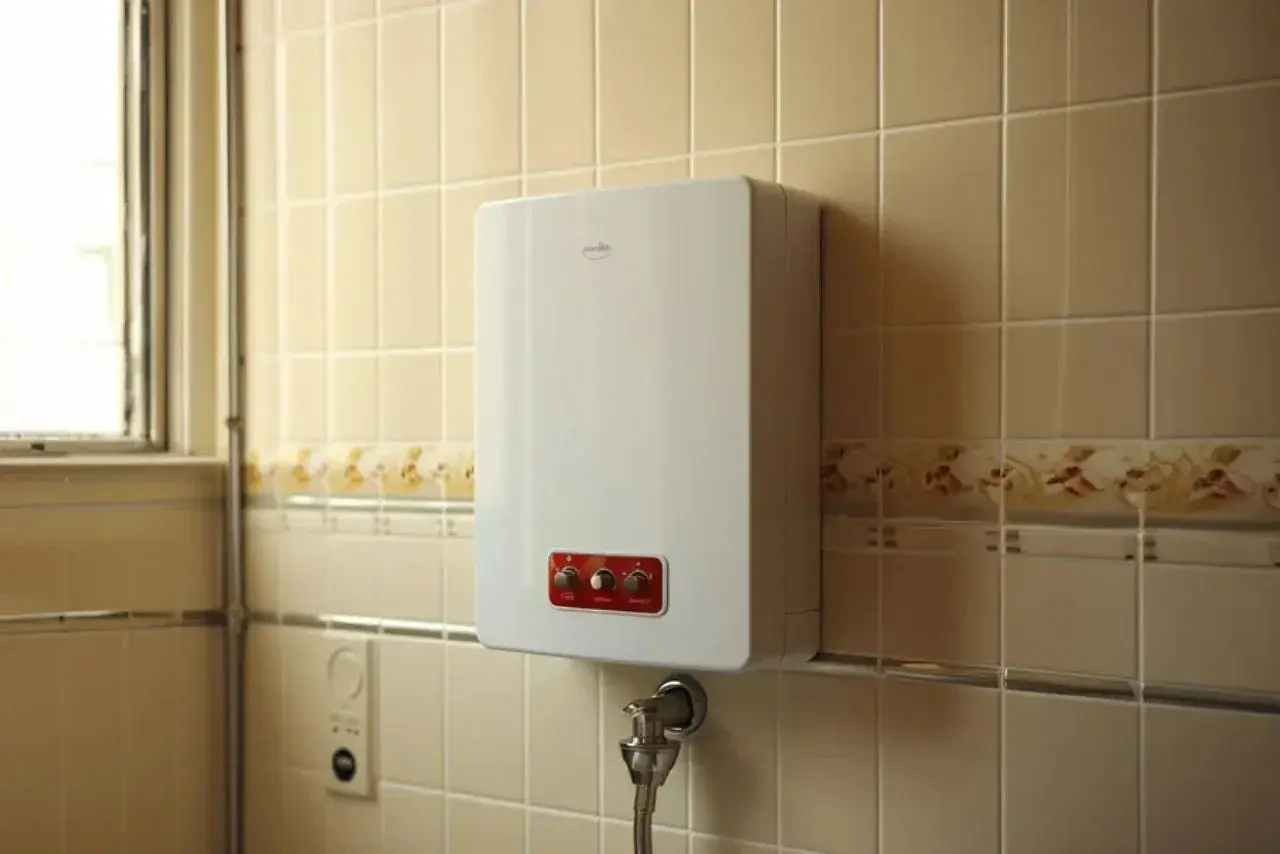
Instant water geysers heat water on demand, eliminating standby heat loss. They’re ideal for small households or areas with low hot water requirements.
Advantages:
- Energy-efficient for low usage.
- Compact size saves space.
- Provides hot water instantly.
Disadvantages:
- Not suitable for large families.
- Limited flow rate may not support multiple outlets simultaneously.
Storage Water Geysers – Energy-Efficient for Large Families

Storage geysers come with insulated tanks that store heated water, making them suitable for larger households.
Advantages:
- Can supply hot water to multiple outlets.
- Available in various capacities.
- 5-star rated models offer better energy efficiency.
Disadvantages:
- Standby heat loss if insulation is inadequate.
- Occupies more space compared to instant geysers.
Solar Water Heaters – Zero Electricity Consumption
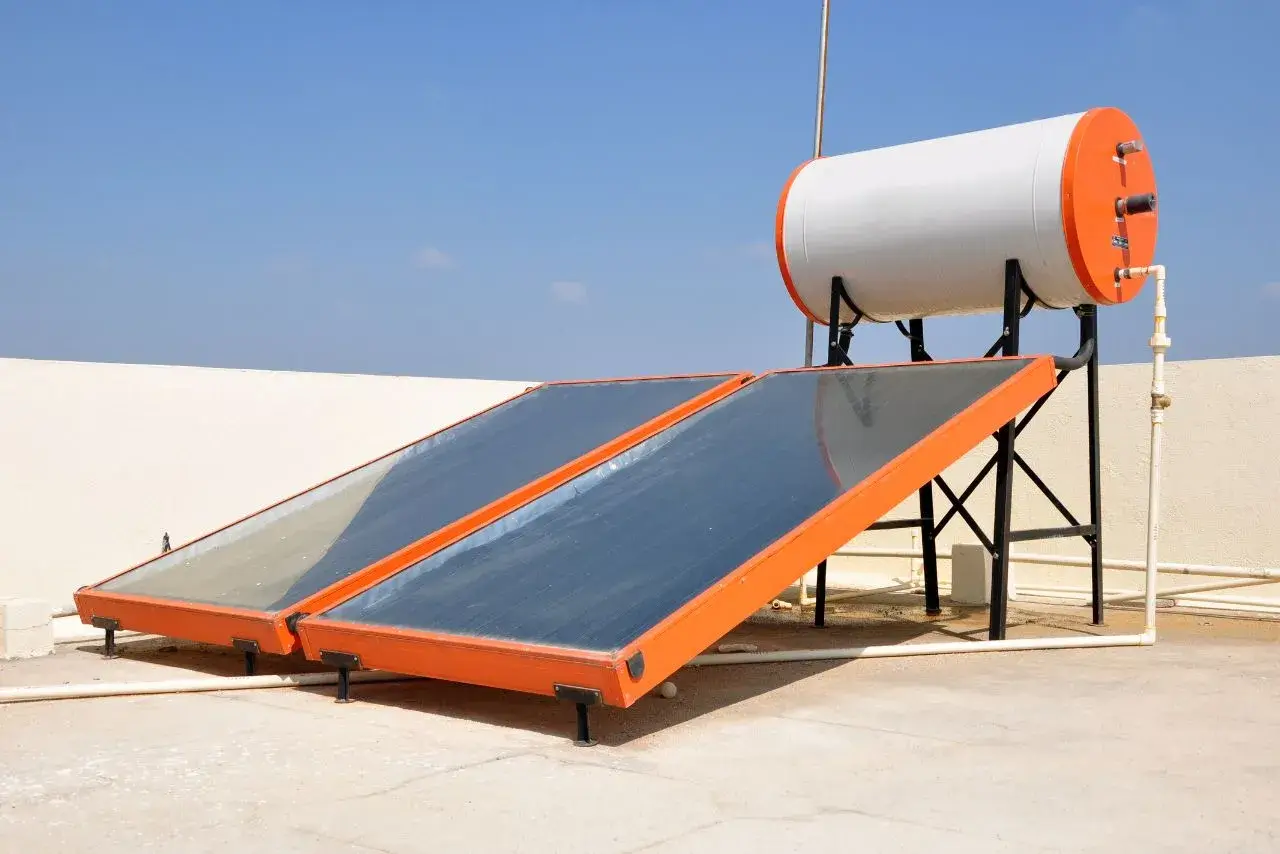
Solar geysers utilize solar energy to heat water, making them highly energy-efficient.
Advantages:
- Zero electricity consumption.
- Environmentally friendly.
- Long-term cost savings.
Disadvantages:
- High initial installation cost.
- Performance depends on sunlight availability.
Heat Pump Geysers – Most Efficient, Least Common
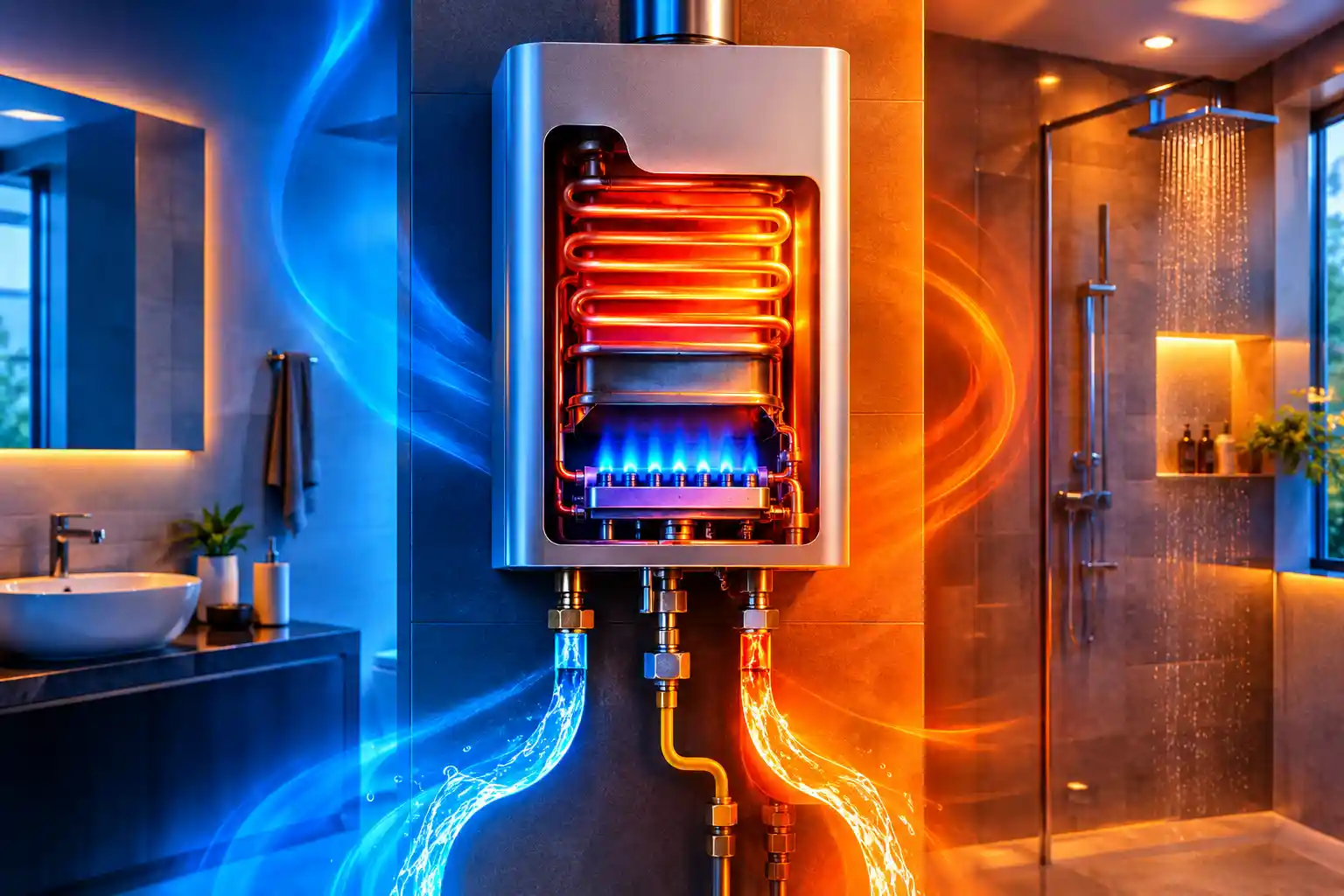
A heat pump geyser does not generate heat directly. Instead, it extracts heat from the surrounding air and transfers it into the water, similar to how a refrigerator works in reverse. This makes it by far the most electricity-efficient way to heat water, often using a fraction of what a standard electric element needs for the same result.
The catch is availability and cost. Heat pump water heaters are still uncommon in the Indian residential market compared to standard electric or solar geysers, upfront prices are considerably higher, and installation needs more space and airflow around the unit than a wall-mounted geyser. For most homes, a 5-star storage or instant geyser remains the more practical choice, but if you can find and afford a heat pump model, it genuinely is the most efficient option available.
Electric Geysers – Convenient & Reliable
Electric geysers are widely used and come in instant and storage variants with various energy-saving features.
Advantages:
- Easily available and simple to install.
- 5-star rated models are energy efficient.
- Works in any weather condition.
Disadvantages:
- Higher electricity consumption compared to solar or heat pump options.
- Can lead to higher bills if not properly insulated.
Best Low-Electricity Geysers in India
Here are some top-rated energy-efficient geysers available on Amazon.in:
| Geyser Model | Type | Capacity | BEE Star Rating | Ideal For |
| AO Smith HSE-SHS-015 | Storage | 15 Litres | 5-Star | Medium-sized families |
| Bajaj New Shakti Storage 15-Litre Vertical Water Heater | Storage | 15 Litres | 4-Star | Small to medium-sized families |
| V-Guard Victo 15 L Water Geyser | Storage | 15 Litres | 5-Star | Medium-sized families |
| Havells Instanio 3-Litre Instant Geyser | Instant | 3 Litres | 4-Star | Singles or small families |
| Racold Eterno Pro 15 Litres Vertical 5 Star Water Heater | Storage | 15 Litres | 5-Star | Medium-sized families |
Note: Prices and availability are subject to change. Please check Amazon.in for the latest information.
Popular Geyser Articles
Tips to Reduce Electricity Consumption of Your Geyser
Reducing your geyser’s electricity usage involves both smart choices and habits:
- Select the Right Size: Choose a geyser that matches your household’s hot water needs to avoid heating excess water.
- Opt for High BEE Star Ratings: Higher-rated geysers are more energy-efficient, though check the label period too, the Ministry of Power’s revised star rating standards mean a 5-star rating today reflects a stricter standard than one from a few years ago.
- Regular Maintenance: Periodic cleaning and descaling improve efficiency.
- Install a Timer: Automate your geyser to operate during specific periods, reducing unnecessary heating.
- Lower the Thermostat Setting: Setting the temperature between 55°C and 60°C is sufficient for most uses and conserves energy.
Conclusion
Determining Which Geyser Consumes Lowest Electricity depends on various factors, including the type of geyser, household size, and usage patterns. Instant geysers are ideal for low usage scenarios, while storage geysers with high BEE star ratings suit larger families. Solar and heat pump geysers offer significant energy savings in the long run but come with higher initial costs. By considering these factors and implementing energy-saving practices, you can choose a geyser that minimizes electricity consumption and reduces your energy bills. For a deeper breakdown of running costs and daily habits that save the most, see our How to Reduce Geyser Electricity Consumption guide.
Frequently Asked Questions ( FAQs )
1. Which geyser is Best for less Electricity Consumption?
The best geysers for low electricity consumption are solar geysers and heat pump geysers. Among electric models, 5-star rated instant and storage geysers are the most efficient.
2. How Can I Reduce My Geyser Bill?
Lower the thermostat, use a timer, opt for a 5-star rated model, and ensure regular maintenance.
3. Does a Geyser Consume Electricity after Cut off?
A well-insulated geyser retains heat, but some standby energy loss may still occur.
4. Which is Better, a 2000-Watt or 3000-Watt Geyser?
A 2000-watt geyser consumes less electricity but takes longer to heat water compared to a 3000-watt model.
5. What Happens if a Geyser is Left on for 10 Hours?
It may lead to unnecessary power consumption and wear on the heating element, increasing electricity costs.
6. What is the Lifespan of a Geyser?
Most geysers last between 8-12 years with proper maintenance.
7. Is it OK to Turn the Geyser on all the Time?
No, it increases electricity consumption and reduces lifespan due to continuous heating cycles.
8. What Causes a Geyser to Burst?
Excessive pressure buildup, poor maintenance, and overheating can lead to geyser bursts. See Reasons Why a Geyser Could Burst for the full picture.