Struggling with a new instant geyser in the middle of winter is no fun. Instant geysers provide hot water on demand, save on standing electricity loss, and are genuinely convenient once you know how to use them properly. This guide covers installation basics, daily use, maintenance, and the safety points that actually matter, not just the obvious ones.
Why trust this guide: This article is written by Abdul Khader, who has spent over 4 years installing and repairing instant geysers in Indian homes. The safety and wattage guidance below reflects what actually goes wrong on a real installation, not just a generic manual.
Quick answer: Switch on the power, open the tap, let the water heat as it flows, and switch off the power once you are done. The details that matter more than this basic sequence are wattage matched to your wiring, correct earthing, and not leaving it running unattended.
What Is an Instant Geyser?
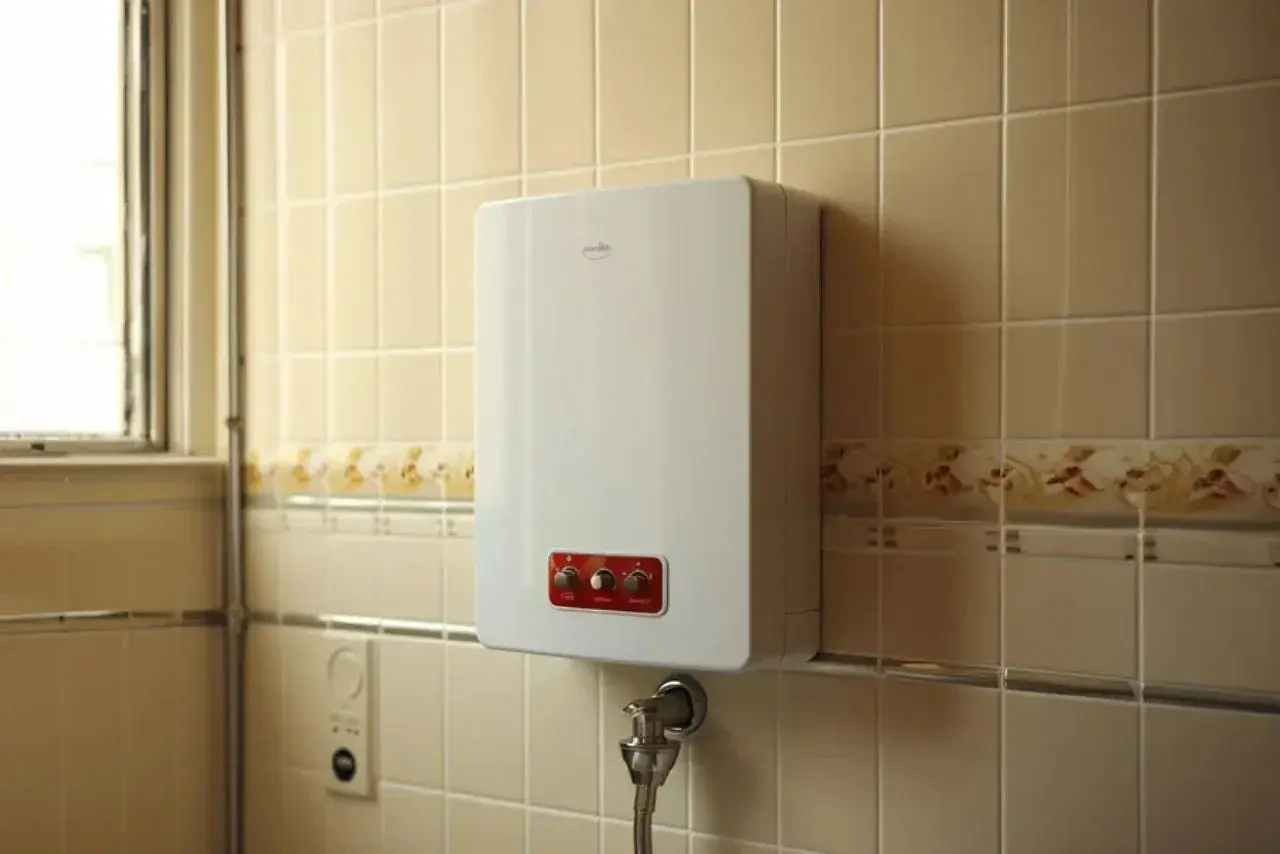
An instant geyser is a tankless water heater that heats water immediately as it flows through the device. Unlike storage water heaters, which take time to heat and store water, an instant geyser ensures hot water is available on demand.
Key Features:
- Instant Heating: Provides hot water within seconds of turning it on.
- Compact Design: Space-saving, making it ideal for small bathrooms or kitchens.
- Energy Efficiency: Consumes electricity only during use, reducing power wastage.
Advantages:
- Saves time by eliminating the need to wait for water to heat.
- Ideal for households with limited water usage.
- Reduced electricity bills due to on-demand heating.
How to Install an Instant Geyser
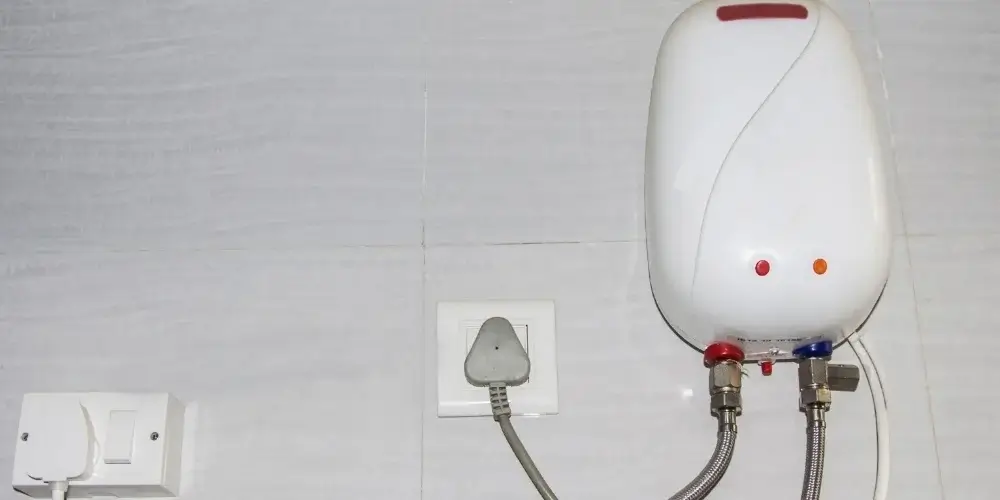
Installing an instant geyser requires attention to detail to ensure safety and efficiency. If you’re not confident, consider hiring a professional plumber.
Installation Steps:
- Choose the Location: Pick a well-ventilated area near the water source. Ensure easy access to the power socket.
- Fix the Mounting Bracket: Drill holes in the wall and secure the mounting bracket at the desired height.
- Connect Water Pipes: Attach the inlet and outlet pipes securely to avoid leaks.
- Connect to Power Supply: Use a properly grounded socket with the recommended voltage.
- Test the Geyser: Switch it on and check for proper functioning before regular use.
Common Mistakes to Avoid:
- Skipping the grounding connection, which can lead to electrical hazards.
- Installing the geyser too far from the tap, causing heat loss during water flow.
Step-by-Step Guide on How to Use Instant Geyser
Operating an instant geyser is straightforward, but a few precautions go a long way in ensuring safety and efficiency.
Steps to Follow:
- Turn on the Power Supply: Ensure the geyser is connected to a grounded socket.
- Adjust the Temperature Settings: Most geysers have a thermostat to set your preferred water temperature.
- Open the Water Tap: Allow water to flow through the geyser. It will heat the water instantly.
- Turn Off After Use: Switch off the power supply and close the tap to avoid overheating or power wastage.
Safety Tips:
- Avoid using the geyser for an extended period to prevent overheating.
- Never touch the geyser or plug with wet hands.
- Confirm the point is properly earthed. If you are not certain, see our Geyser Without Earthing guide for how to check.
- Do not leave it running unattended, especially in a bathroom used by children.
Matching Wattage to Your Wiring
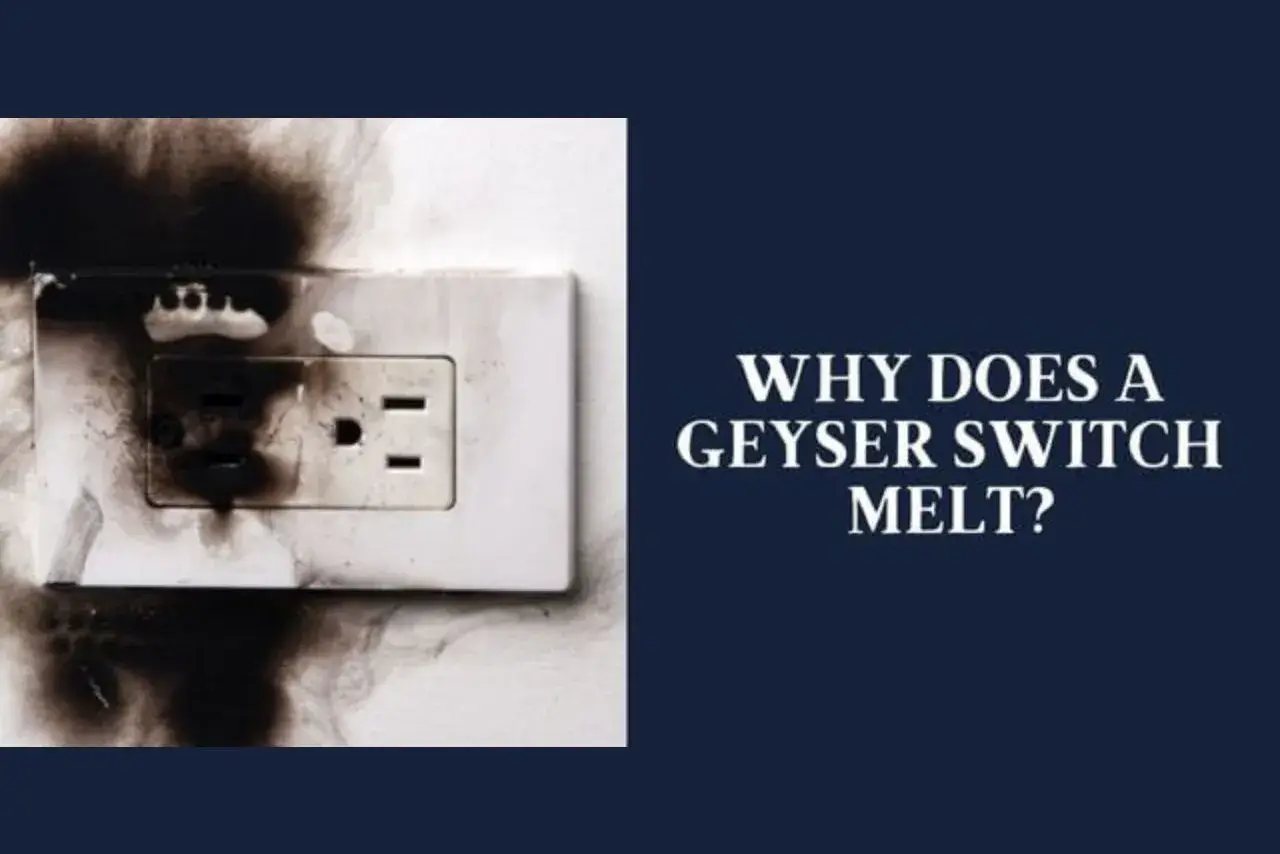
A higher-wattage instant geyser (4.5 kW or more, the kind needed for a full shower) draws far more current than a basic kitchen-sized unit. It needs a dedicated 16A or 20A point with the correct wire gauge and its own MCB, not a shared bathroom socket. Get an electrician to confirm your wiring can handle it before installing anything above a basic 3 kW model. Undersized wiring is one of the most common causes of a melted switch, covered in our Why Does a Geyser Switch Melt guide.
Maintenance Tips for Longevity
Proper maintenance ensures your geyser lasts longer and performs optimally.
Regular Maintenance Tasks:
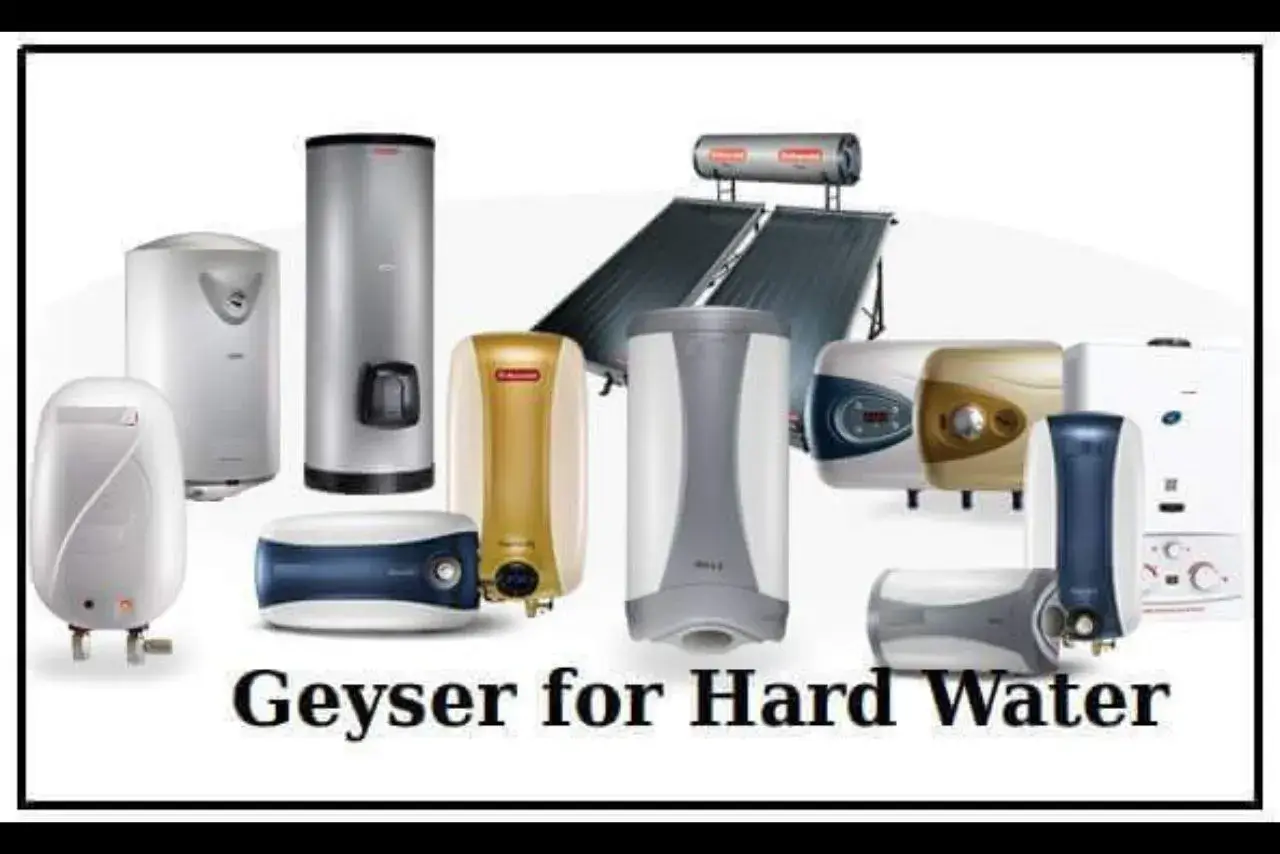
- Descaling: Over time, mineral deposits can build up in the heating element. Use a descaling solution every 6 months, more often in hard water areas. See Geysers for Hard Water for a fuller maintenance schedule.
- Inspect for Leaks: Regularly check pipes and connections for leaks.
- Professional Servicing: Schedule annual checkups with a qualified technician.
Signs Your Geyser Needs Repair:
- Water taking longer to heat.
- Unusual noises during operation.
- Frequent power trips when the geyser is in use.
Energy-Saving Tips for Instant Geysers
Using your geyser efficiently can significantly reduce electricity consumption.
Pro Tips:
- Set the thermostat to 50°C–60°C for optimal energy use.
- Use insulated pipes to minimize heat loss during water flow.
- Turn off the geyser immediately after use to avoid standby power consumption.
Using an Instant Geyser for Different Purposes
Kitchen or Wash Basin Use
A 1 to 3 litre, 3 kW model is normal for a kitchen sink and heats fast at low flow. Mount it as close to the tap as possible, every extra foot of pipe is water that cools before it reaches you. See our Kitchen Geyser Guide for capacity and placement details.
Bathroom or Shower Use
A shower needs a higher-wattage model, 4.5 kW or more, and pairing it with a low-flow showerhead makes a real difference to how comfortable it feels. Our Instant Geyser for Bathroom guide covers the wattage and flow math in more detail.
Common Problems and Troubleshooting Tips
Problem: Water isn’t heating.
Fix: Check the power supply and thermostat settings. If the issue persists, consult a technician.
Problem: Geyser is overheating.
Fix: Lower the thermostat setting and ensure adequate ventilation around the unit.
Problem: Power trips or leaks.
Fix: Inspect the wiring and connections. Avoid using the geyser until a professional inspects it.
Conclusion
Mastering the use of an instant geyser is simpler than it seems. From installation to daily operation and maintenance, these devices are designed to make your life easier while saving energy. Remember to follow safety precautions and maintenance tips to ensure your geyser runs efficiently for years.
Popular Geyser Articles
Frequently Asked Questions ( FAQs )
1. How to use an instant geyser?
Using an instant geyser is simple:
- Turn on the power supply to the geyser.
- Open the water tap to allow water to flow through the heater.
- Adjust the temperature setting if your geyser has a thermostat.
- Switch off the power supply after use to conserve energy.
2. How much time does an instant geyser take to heat water?
Instant geysers heat water in just 10–30 seconds, depending on the model and flow rate. Unlike traditional geysers, they don’t store hot water but heat it as it flows through the system.
3. What are the disadvantages of instant geysers?
While convenient, instant geysers do have some drawbacks:
- Limited Water Flow: They may not supply hot water for multiple outlets simultaneously.
- High Power Consumption: During operation, they require significant electricity.
- Initial Cost: Instant geysers are often more expensive than storage models.
- Temperature Fluctuations: Inconsistent water flow may lead to sudden temperature changes.
4. Why is my instant hot water not working?
Common reasons include:
- Power supply issues.
- A malfunctioning thermostat.
- Mineral buildup in the heating element.
- Insufficient water pressure.
Solution: Check the power and water supply, clean the unit, and consult a technician if needed.
5. Why is my instant water heater not turning on?
If your heater isn’t turning on:
- Check if the power socket is working.
- Ensure the circuit breaker hasn’t tripped.
- Inspect the power cord for damage.
Tip: If the issue persists, seek professional assistance.
6. Why is my instant water heater not hot?
Possible reasons include:
- A malfunctioning heating element.
- Low water pressure or flow rate.
- Incorrect thermostat settings.
Solution: Adjust the thermostat, check water pressure, or consult a professional for repairs.