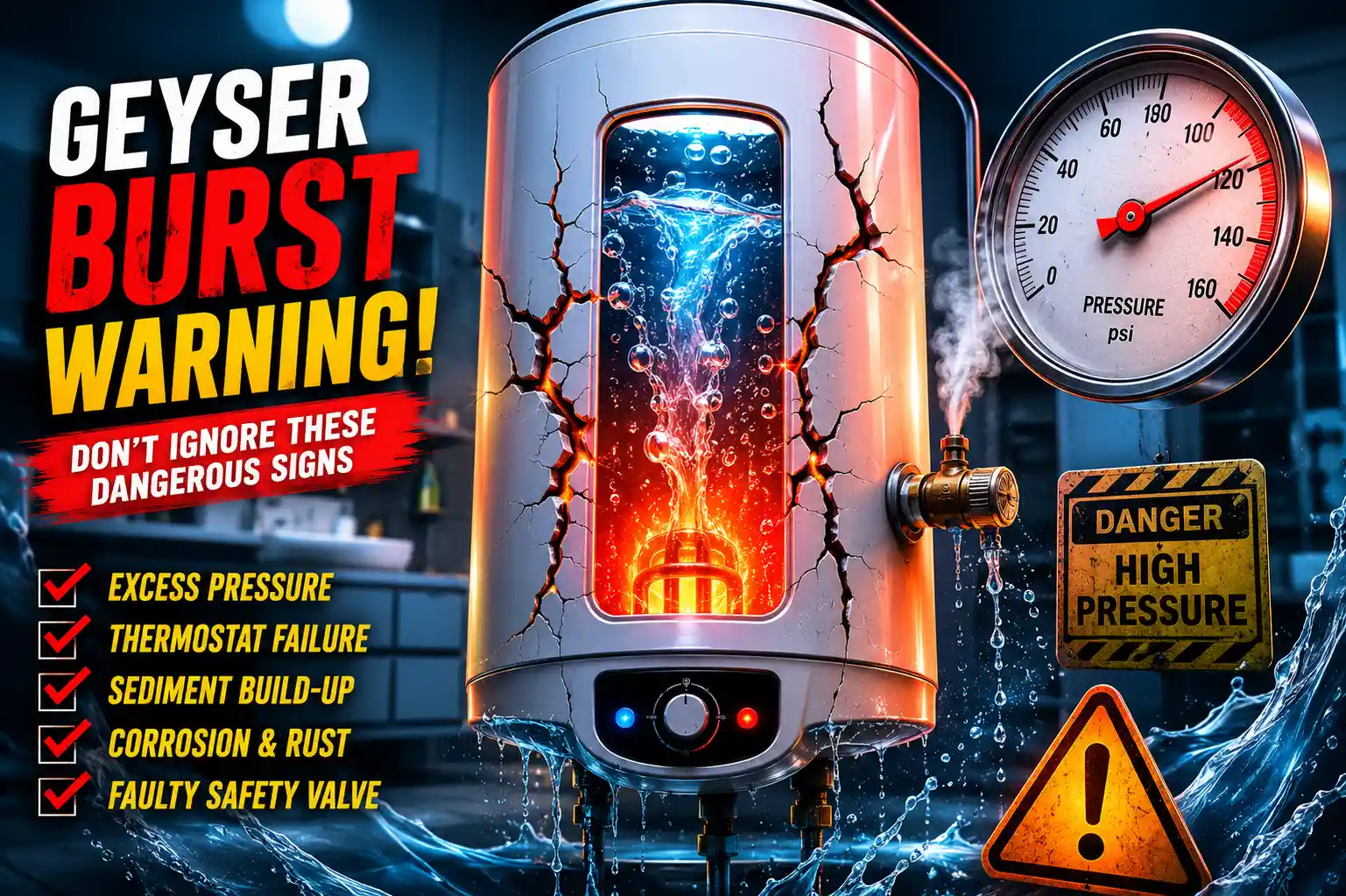
In this guide, I’ll walk you through the Common Reasons Why a Geyser Could Burst, the warning signs you should never ignore, and how to protect your home with proper maintenance and safety measures.
“Did you know that water heaters are among the top 5 causes of home water damage?” That’s a staggering thought considering almost every home has one. A geyser (or water heater) works hard to heat the water we use daily, but if it’s not working properly, it may explode or leak.
A geyser burst can flood your home, damage walls and ceilings, and even risk safety. Why does this happen? The reasons vary, from thermostat issues to excess pressure inside the tank, but the results can be serious.
Why trust this guide: This article is written by Abdul Khader, who has spent over 4 years repairing geysers in Indian homes and has seen what a tank looks like right before, and right after, it fails. The warning signs and emergency steps below reflect that experience.
Quick answer: A geyser bursts when internal pressure builds up faster than it can escape, usually from a blocked pressure relief valve, a faulty thermostat, sediment buildup, or corrosion working together over time. If yours is already leaking or making alarming noises right now, skip to the emergency section further down before reading the causes.
Common Reasons Why a Geyser Could Burst
Excess Pressure Inside the Tank
One of the leading causes of a Reasons Why a Geyser Could Burst is excessive pressure and temperature building inside the tank. When water temperature rises too high or when the thermostat settings are faulty, the heater continues to heat the water, creating steam and raising pressure levels.
If the pressure relief valve or overflow pipe is blocked, the pressure has nowhere to escape. This can lead to a burst or even cause an explosion.
Thermostat Malfunction
If the thermostat stops working, it cannot regulate the temperature properly. A malfunctioning thermostat means the heater keeps heating the water beyond safe limits. Overheating increases water pressure inside the geyser and weakens the heater tank, increasing the risk of a burst.
Sediment Build-Up at the Bottom of the Tank
Minerals from the water supply gradually settle at the bottom of the tank. This build-up forces the heating element to work harder to heat the water, causing hot spots inside the tank.
Over time, the tank weakens, leading to leaks or even a burst. Regular maintenance, like flushing the tank, can help prevent this.
Corrosion and Rust
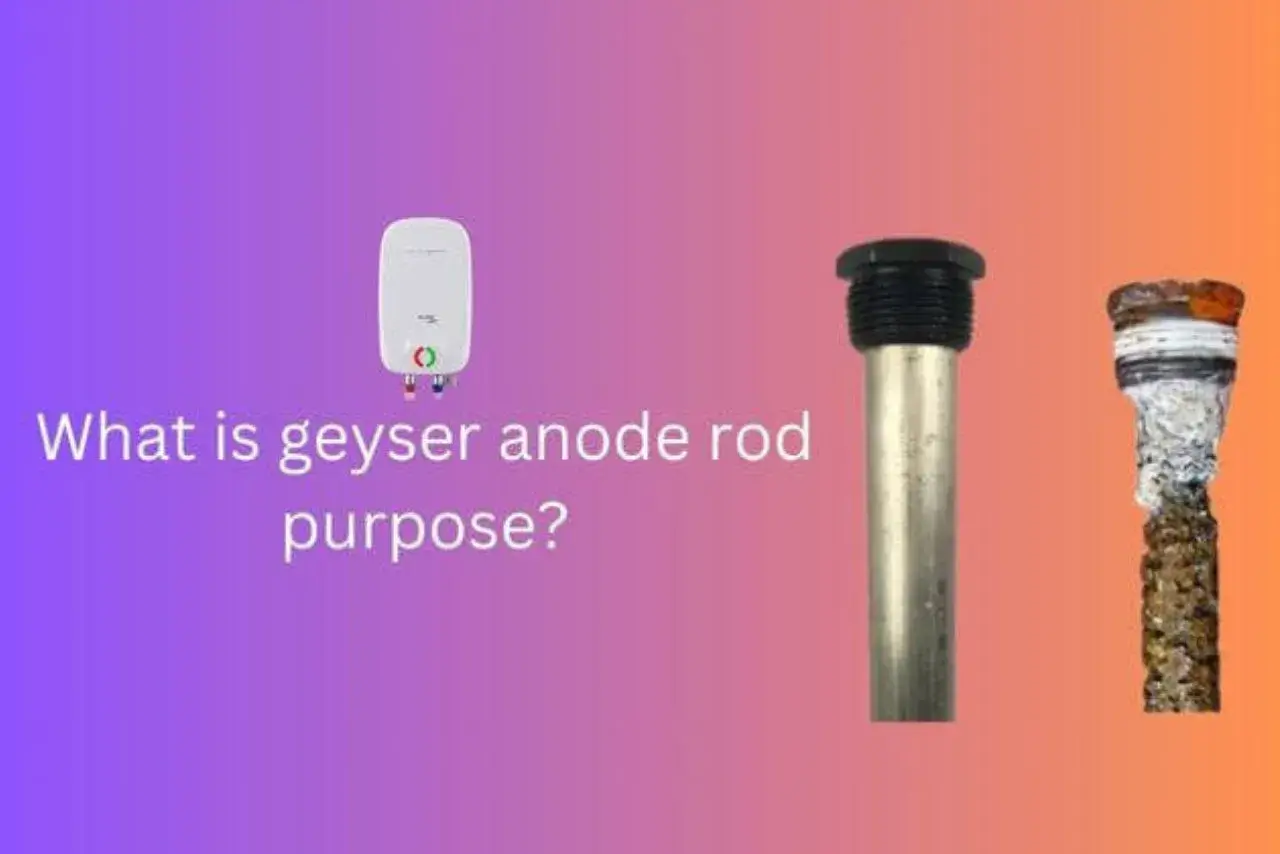
Every geyser is vulnerable to corrosion. An old geyser, or one without a working anode rod, may rust from the inside out. Rust and corrosion weaken the tank walls, making it easier for internal pressure to cause leaks or ruptures. See What is the Anode Rod Purpose for how to check and replace it before this becomes a problem.
Faulty or Blocked Pressure Relief Valve
The pressure relief valve is designed to release pressure when it gets too high. If it is blocked, worn-out, or simply not working properly, pressure builds unchecked. A blocked valve is like a ticking time bomb inside your water heating system.
Poor Installation or Wrong Components
Improper installation or using the wrong materials (like pipes not designed for high temperatures) can increase the risk of a burst. Every geyser should be installed correctly by a licensed plumber or technician to ensure the continued safety and functionality of your plumbing system.
Age and Wear & Tear
Like any appliance, geysers have a lifespan. An old geyser with worn-out parts, rust, or weakened seams is more likely to burst. If your heater tank is over 8–10 years old, regular inspections are critical.
Warning Signs That a Geyser Might Burst
- Rumbling or popping noises from inside the tank, caused by sediment build-up. See Why Do Geysers Make Noise? for how to tell this apart from other sounds.
- Water leakage around the heater tank or pipes.
- Discoloured or rusty hot water.
- Fluctuating water temperature despite steady thermostat settings.
- The overflow pipe is dripping constantly.
- Unusually high pressure in taps or showers.
- Frequent tripping of the power supply to the geyser.
If you notice any of these, call a professional technician or plumber immediately to identify the source and replace faulty parts.
What to Do If Your Geyser Has Already Burst
If you are dealing with an active leak, flooding, or a geyser that has visibly failed right now, act in this order:
- Cut the power first. Go to your distribution board and switch off the MCB for the geyser. Do this before anything else, since water and live electrical components in the same space is a genuine shock risk.
- Close the water supply. Turn off the inlet valve feeding the geyser, or the main supply to your home if you cannot access it separately, to stop more water from adding to the flooding.
- Avoid standing water near the geyser or any exposed wiring until the power is confirmed off.
- Photograph the damage before you start cleaning up, this matters for any insurance claim you make afterward.
- Move valuables and electronics out of the affected area if it is safe to do so.
- Call a professional technician or plumber for an emergency visit rather than attempting a repair yourself. See our Geyser Repair guide for what typical fixes cost once you know the cause.
Keep these steps somewhere easy to find, a photo of them on your phone, or printed and stuck near your distribution board, since it is easy to forget the right order in the moment.
Advantages and Disadvantages of a Geyser Safety Pipe
One supplementary safety layer is the Plasto Geyser Safety Pipe, designed to burst first and release excess pressure before the geyser tank does. It is worth adding on top of proper maintenance, not instead of it. Here is a look at the pros and cons:
| Advantages (Pros) | Disadvantages (Cons) |
|---|---|
| Helps prevent excessive pressure within the tank | Needs replacement after it bursts |
| Protects your home from a major geyser burst | Only works if installed correctly |
| Serves as an early warning that the thermostat or valve stops working | May not stop the geyser burst if other components are severely damaged |
| An affordable way to increase the safety of your geyser system | Adds another part to maintain in your plumbing system |
How to Stop Geyser Burst and Reduce the Risk
Regular Maintenance
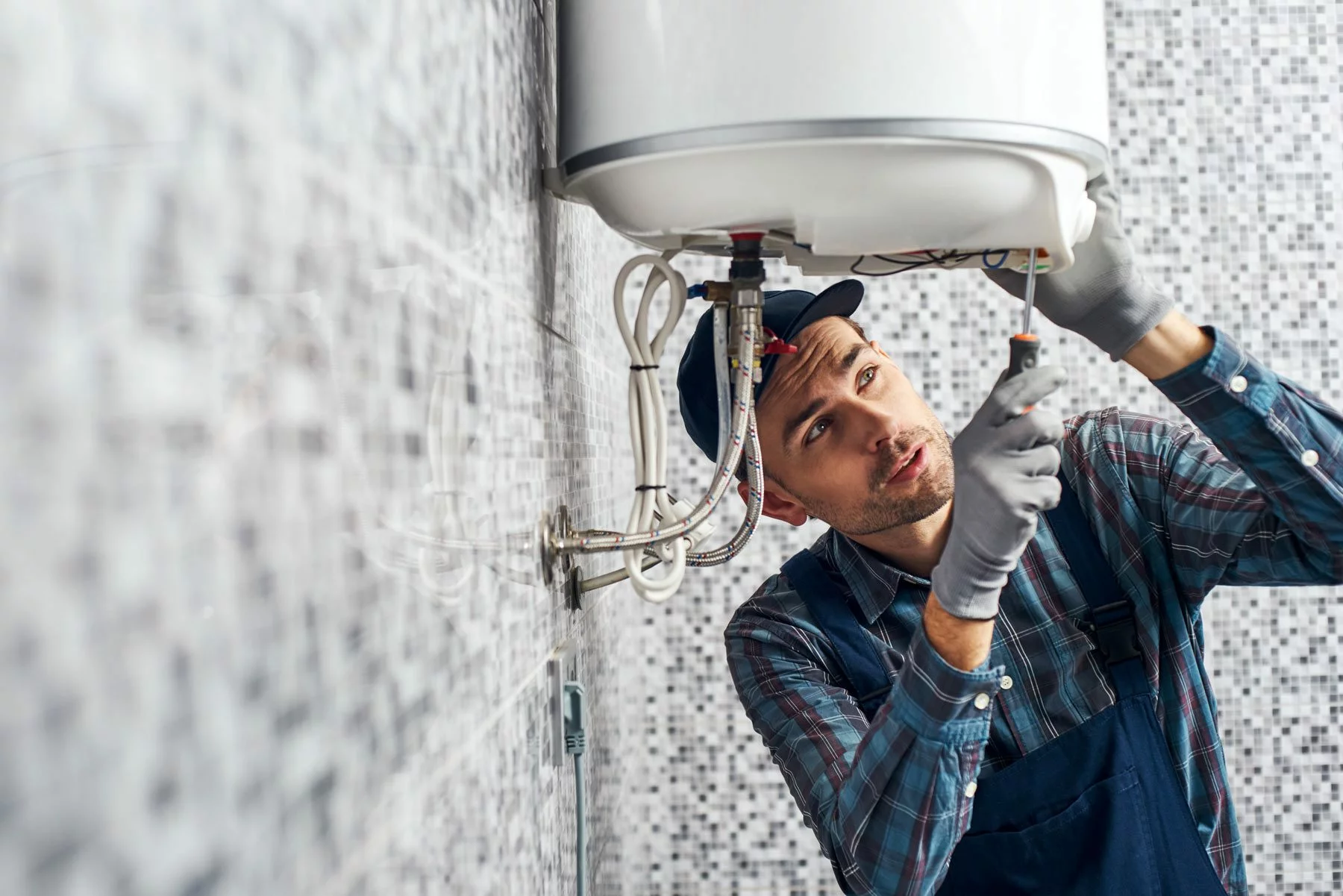
Schedule regular inspections with a plumber or geyser technician to test the pressure relief valve, check thermostat settings, and remove sediment. See Does a Geyser Need Service? for how often and what it should cover.
Temperature Settings
Keep the thermostat around 49 to 55°C as a safety ceiling. This still gives comfortably hot water, but going much higher than this not only wastes electricity, it also raises internal pressure and accelerates wear on the tank.
Replace Faulty Components
Replace faulty thermostat, worn-out anode rod, or blocked relief valves before they fail completely.
Proper Installation
Ensure the geyser is installed correctly by a professional to minimize the risk of improper connections or poor-quality pipes entering the geyser system.
Monitor Water Supply Pressure
If your main water supply pressure is too high, consider installing a pressure regulator to reduce the pressure entering the geyser.
Conclusion on Common Reasons Why a Geyser Could Burst
A geyser might burst due to a combination of factors, from excess pressure inside the tank, thermostat malfunctions, and sediment build-up, to rust and corrosion caused over time. The good news is that with regular maintenance, proper installation, and timely inspections, you can stop geyser burst risks before they damage to your home.
Remember, every geyser needs care. From flushing the bottom of the tank to checking valves and replacing the anode rod, these small steps help prevent leaks, regulate the temperature, and ensure the continued safety of your geyser system.
And if you ever spot warning signs, don’t wait; call a professional technician or plumber right away. Protect your home, minimize the risk, and keep your water heating system working properly for years to come.
Frequently Asked Questions ( FAQs )
1. What are the common reasons why a geyser could burst?
A geyser could burst occur due to excess pressure inside the tank, a faulty thermostat, sediment build-up, corrosion, or poor installation. Regular maintenance and inspections can help prevent these issues.
2. Can high water pressure cause a geyser burst?
Yes, excessive water pressure can weaken the geyser tank and increase the risk of a burst. A properly working pressure relief valve is essential to release excess pressure inside the tank.
3. How can I stop a geyser burst in my home?
You can stop geyser burst accidents by ensuring regular inspections, flushing sediment from the tank, testing the pressure relief valve, and adjusting thermostat settings to safe temperatures.
4. What warning signs show that my geyser might burst?
Watch out for leaks, rumbling noises, rust-colored water, overheating, or water dripping from the overflow pipe. These are strong warning signs that the geyser may fail soon.
5. How does sediment build-up affect a water heater?
Sediment at the bottom of the tank traps heat, causing the heating element to overwork. This leads to overheating, pressure building, and may eventually cause the geyser to burst.
6. Does the thermostat setting affect geyser safety?
Yes, incorrect thermostat settings can overheat water and raise the internal pressure. Setting the thermostat correctly helps regulate the temperature and reduce the risk of damage.
7. How long is the lifespan of a geyser?
The average lifespan of a geyser is 8–12 years. An old geyser with rust, leaks, or worn-out component malfunctions is more likely to burst and should be replaced for continued safety.
8. What role does the anode rod play in preventing geyser bursts?
The anode rod prevents rust and corrosion inside the tank. If it wears out, the geyser may corrode quickly, leading to leaks or even a burst. Regular replacement helps protect your home.
9. Can improper installation increase the risk of a burst?
Yes, improper or poor installation without safety pipes, overflow systems, or correct plumbing connections may cause excess pressure and increase the risk of a geyser burst.
10. When should I call a professional to check my geyser?
Call a plumber or technician immediately if you notice leaks, unusual noises, water discoloration, or constant overheating. Regular inspections by a qualified geyser technician also help prevent accidents.
Popular Geyser Articles
- Instant Vs Storage Geyser
- What is Gas Geyser?
- How to Use an Instant Geyser?
- Which Geyser Consumes Lowest Electricity?
- How to Clean a Geyser at Home?