It is an amazing experience to take a hot water bath during cold winters. However, if you are living in cities like Bangalore, Delhi, Mumbai, Noida, or other urban areas, you have likely faced the hard water problem. Hard water can significantly affect the performance and lifespan of your geyser. This is why choosing geysers for hard water is essential to ensure durability and efficient heating. So, what exactly happens to geysers when used with hard water?
Why trust this guide: This article is written by Abdul Khader, who has spent over 4 years servicing and repairing geysers across Indian cities with hard water, including plenty of tanks pulled apart to show exactly what scale buildup does inside. The maintenance advice below is what actually extends a geyser’s life, not just marketing claims from a tank coating.
Quick answer: A glass-lined or Vitreous Enamel tank protects the tank itself, but it doesn’t protect the heating element or pipes. For full protection in a hard water area, combine a corrosion-resistant tank with regular descaling, an anode rod check every year, and a water softener if your water is particularly hard.
Try to choose the right geyser by answering simple questions without reading any Buying Guide.
How Hard Water Damages the Geysers
In short, hard water causes scaling inside the geyser’s inner tank and damages the heating element over time. It can also accelerate corrosion, leading to frequent repairs or even forcing you to replace your geyser within a few years.
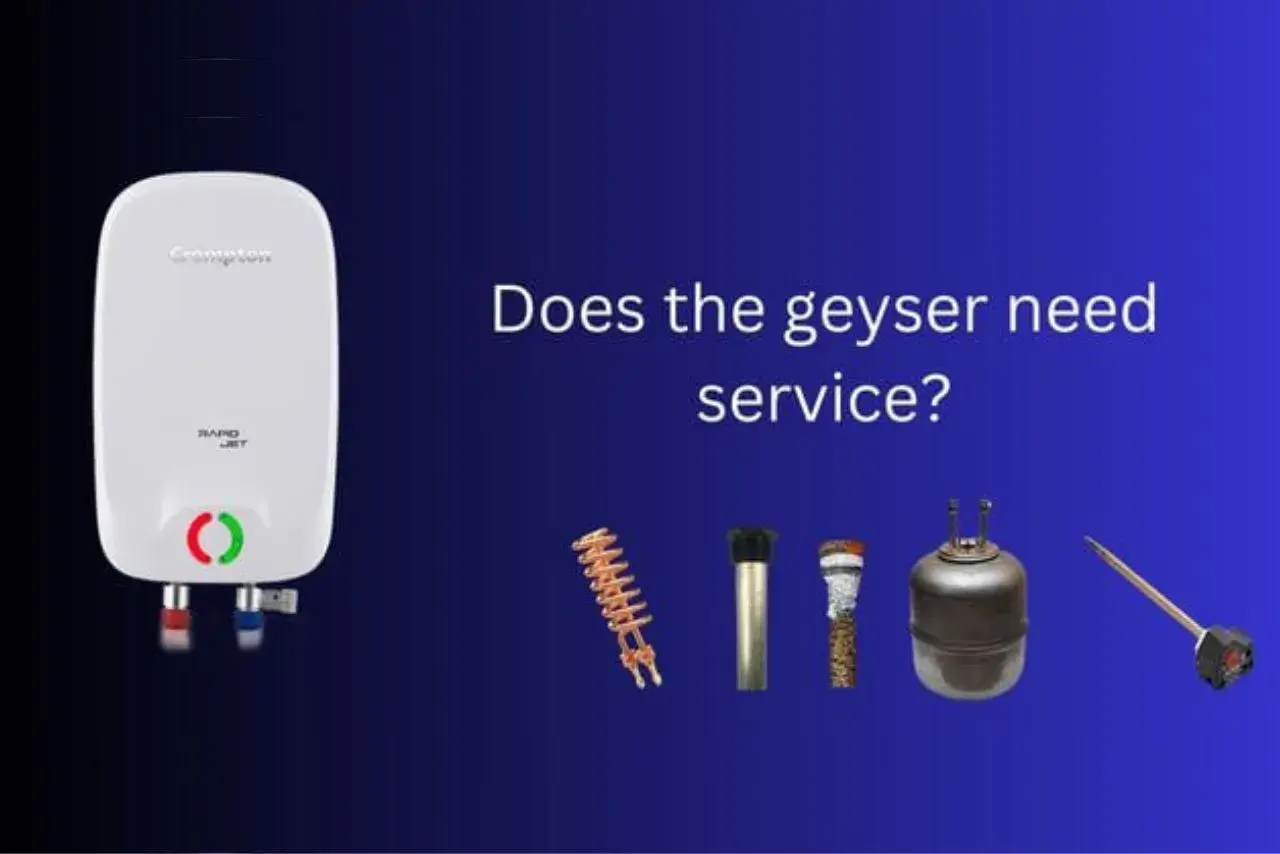
Hot water and hard water are a tough combination for any geyser. A typical geyser water heater consists of three main components: the heating element, the thermostat, and the water tank.
The heating element is responsible for warming up the water to the desired temperature. The thermostat acts as the control system, deciding when to start or stop the heating process, much like an operating system (OS) for your geyser. Meanwhile, the water tank stores the hot water for use.
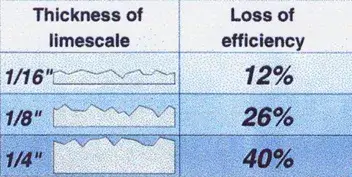
However, hard water can cause several problems. It leads to corrosion of the heating element and scaling buildup inside the water tank, those white, chalky deposits you often see. Over time, this limescale formation reduces heating efficiency and shortens the lifespan of your geyser.
Although the thermostat usually remains unaffected, the hot water pipes carrying water from the geyser outlet can also develop rust and corrosion, further impacting performance.
Anode Rod: Your Geyser’s First Line of Defense
Most storage geysers have a sacrificial anode rod inside the tank, usually made of magnesium. It’s designed to corrode instead of your tank, attracting the corrosive minerals in hard water so the tank walls don’t take the damage directly. In a hard water area, this rod wears down faster than the manufacturer’s default service schedule assumes.
Get it inspected once a year, and replace it if it’s worn down to less than half its original thickness. Once the anode rod is fully consumed, the tank itself starts absorbing the corrosion instead. Our guide on What is the Anode Rod Purpose covers this in more detail.
How to Protect the Geyser from Hard Water?

Use Corrosion-Resistant Water Tank | Vitreous Enamel and Copper Geyser Tanks
Some geyser water heaters are designed using Vitreous Enamel-coated metal, which is made by fusing powdered glass to the metal surface. This coating creates a smooth, durable, and corrosion-resistant layer inside the water tank.
Popular examples of geysers with Vitreous Enamel tanks include Havells Bello, Havells Quatro, Havells Puro, and Racold Pronto. Leading brands such as Havells, AO Smith, Racold, and Bajaj are known for manufacturing high-quality copper and Vitreous Enamel geyser water tanks that perform exceptionally well in areas with hard water.
While this technology helps reduce damage from hard water scaling on the inner walls of the tank, it’s important to note that this protection is limited to the geyser tank itself. Other critical components, like the heating element and water pipes, can still be affected by corrosion and mineral deposits over time.
Anti-Scale Heating Elements
Beyond the tank, check what the heating element itself is made of. Elements built with Incoloy or a titanium coating resist scale buildup better than standard copper elements, since the coating gives mineral deposits less to grip onto. It’s a smaller detail than the tank material, but it directly affects how often you’ll need descaling.
Use a Water Softener to Protect Your Geyser from Hard Water Damage
To prevent damage to essential components like the heating element, the most effective solution is to install a water softener. In this setup, the incoming water first passes through the water softener, and the treated (soft) water then flows into the geyser.
A water softener works by converting hard water minerals such as calcium and magnesium into their softer forms. This process helps prevent salt and scale formation on the geyser’s inner walls and safeguards the appliance from corrosion and damage.
You can easily install a water softener unit adjacent to the geyser, as the installation process is simple and convenient. In addition to protecting your water heater, soft water also produces more lather with soap, leaving your skin and hair feeling smoother and healthier.
Please note that these solutions are best suited for electric geysers, as gas geysers use a different mechanism for heating water. However, choosing a copper or Vitreous Enamel-coated metal water tank is a reliable solution for both gas and electric geysers.
Geyser Filters: Protect Your Water Heater from Iron and Scaling
There are several geyser filters available in the market that are specially designed to protect your geyser from iron deposits and scaling. These filters help remove iron particles and hard water impurities, ensuring cleaner water for a more refreshing bath and shampoo experience.
Popular options like the Ira Mini Geyser Filter and Ira Geyser Filter are excellent choices in this category. They effectively prevent iron buildup, enhance water quality, and extend the lifespan of your geyser.
Additionally, these filters can also be attached to bathroom fittings, such as commodes, to prevent ugly iron stains and help maintain the aesthetic appeal of your bathroom.
A Maintenance Schedule for Hard Water Areas
Descale Every 6 to 12 Months
Flush the tank and descale the heating element on this schedule if your area has hard water, more often if you notice a strange smell, rumbling noise, or slower heating. A technician can do this properly; avoid opening an electric geyser’s tank yourself since it involves draining and disconnecting live components.
Keep the Temperature Below 60°C
Scale forms faster at higher temperatures. Setting the thermostat to around 55°C to 60°C instead of running it at maximum slows down mineral buildup while still giving you comfortably hot water.
Test Your Water Hardness
A simple TDS (Total Dissolved Solids) meter, available cheaply online, tells you roughly how hard your water actually is. Above 300 ppm is generally considered hard, and above 600 ppm is very hard. Knowing your actual number helps you decide whether a water softener is worth the investment or whether descaling alone will do.
Signs Hard Water Is Already Damaging Your Geyser
- Rumbling or popping noises when heating, a sign of sediment sitting at the bottom of the tank. See Why Do Geysers Make Noise? for more.
- Slower heating than before, since scale insulates the element from the water it’s supposed to heat.
- Rusty or discolored hot water, usually pointing to a worn-out anode rod or a corroding tank.
- Higher electricity bills for the same amount of hot water, since a scaled element works harder to do the same job.
If you’re seeing more than one of these, it’s worth booking a service rather than waiting for a full breakdown. Our Geyser Repair guide covers what these repairs typically cost.
Frequently Asked Questions
Do I need a water softener if I already have a glass-lined tank?
Not necessarily, but it depends on how hard your water actually is. A glass-lined tank protects the tank walls, but the heating element and pipes are still exposed. In very hard water areas (above 600 ppm), a softener or at least a pre-filter is worth adding.
How often should I replace the anode rod?
Check it annually, and replace it once it’s worn down to less than half its original thickness. In hard water areas, that often happens sooner than the 2 to 3 years a manufacturer might quote for average water conditions.
Can hard water void my geyser’s warranty?
It can, if the manufacturer’s warranty terms exclude damage from water quality or specify a maximum TDS or hardness level. Check your warranty document for any water-quality exclusions before you assume everything is covered.
Popular Geyser Articles
- Instant Vs Storage Geyser
- What is Gas Geyser?
- How to Use an Instant Geyser?
- Which Geyser Consumes Lowest Electricity?
- How to Clean a Geyser at Home?
- Why Does a Geyser Switch Melt?
Compact Water Softeners for Geysers and Washing Machines
Fortunately, water softeners are easily available online, making it simple for homeowners to protect their appliances from hard water damage. Kent offers a compact water softener that’s designed for convenient use with both geysers and washing machines.
This space-saving softener is easy to install and helps convert hard water into soft water, ensuring better performance and longer life for your appliances. Plus, it comes with a one-year warranty, giving you peace of mind and reliable protection against hard water issues.