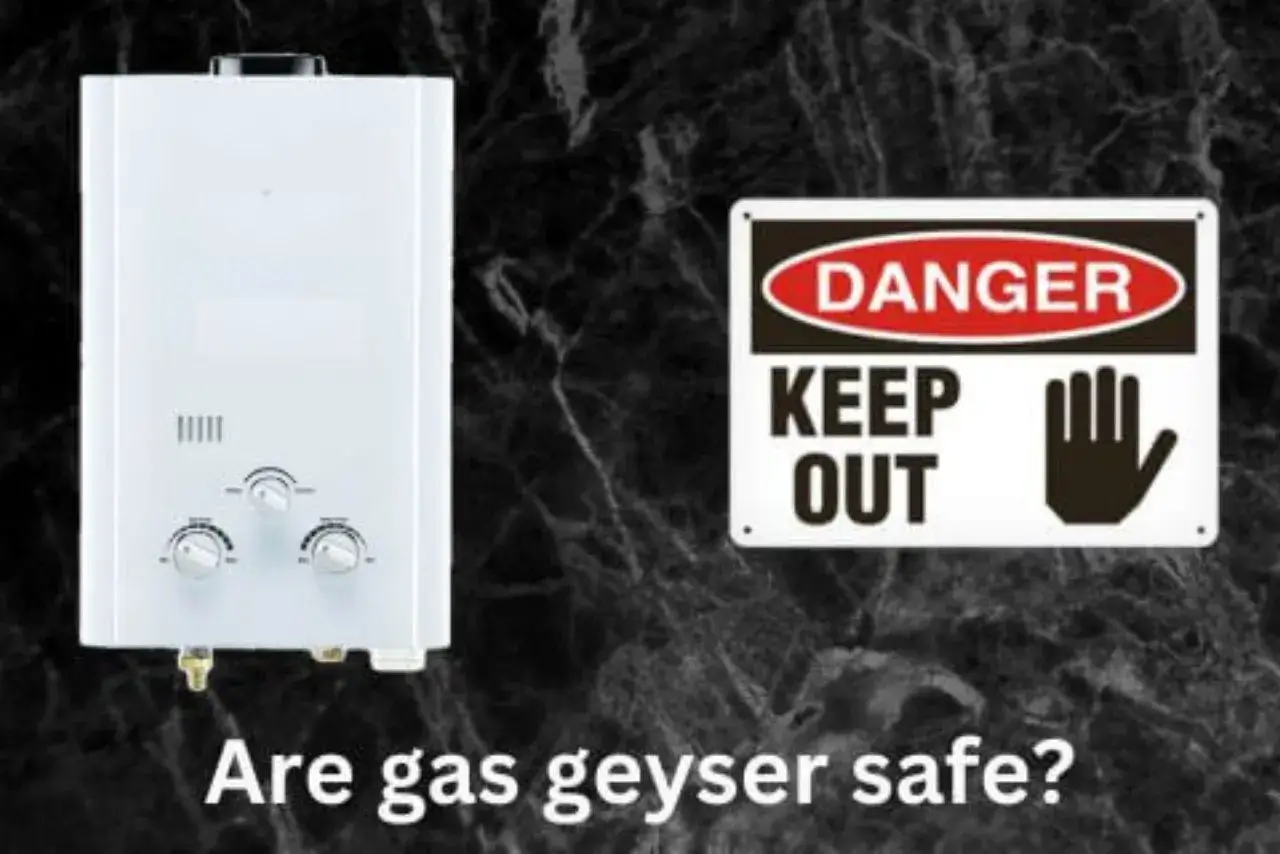
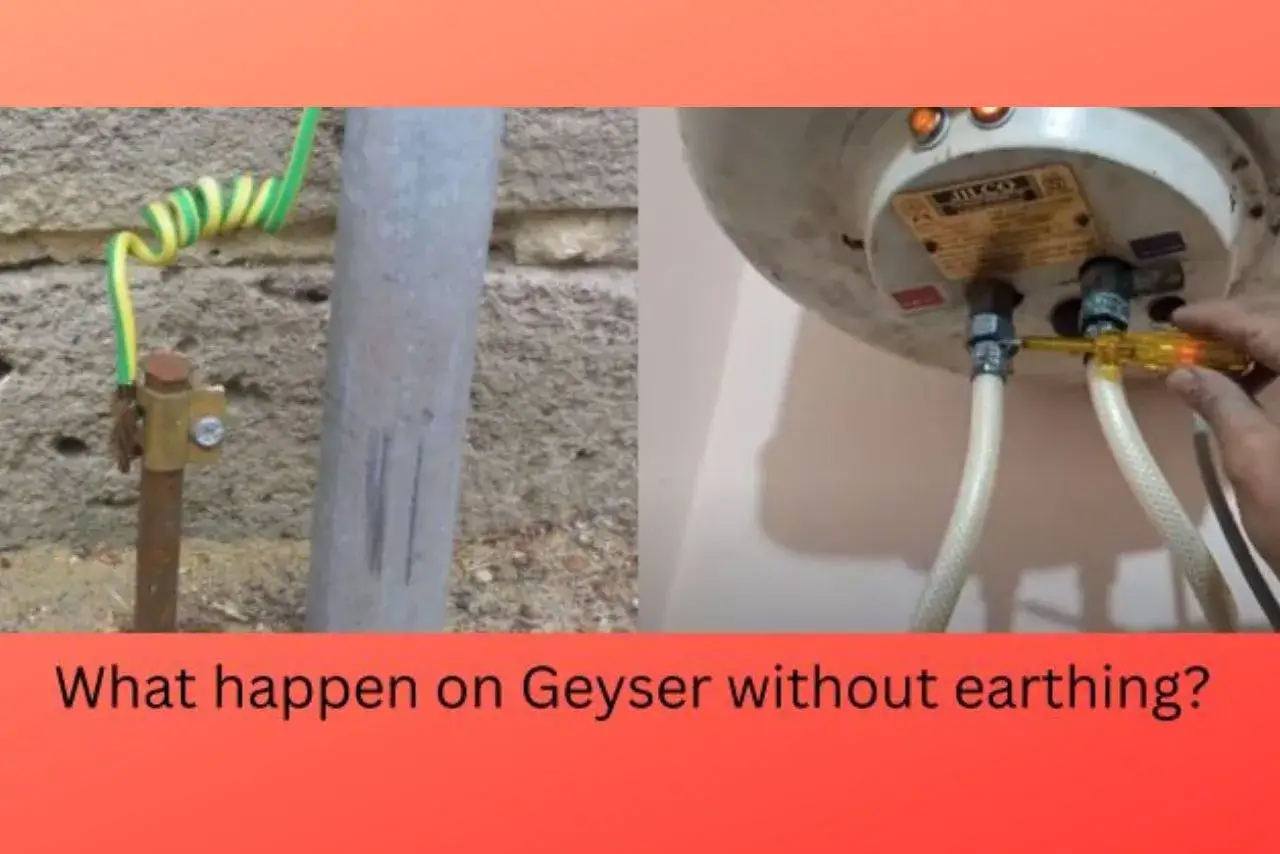
Our answer is straightforward: geysers without earthing are not at all safe and can cause death or electric shock. Earthing allows any electricity leakage in the geyser to be transferred directly to the earth via a thin copper cable. This prevents electricity leakage from passing through the human body, protecting it from electrocution. Additionally, earthing protects appliances from electrical damage. Ensuring safety through earthing is not only the best method but also a highly secure approach.
Why trust this guide: This article is written by Abdul Khader, who has spent over 4 years installing and repairing geysers in Indian homes and has seen what happens when earthing is skipped or done incorrectly. The checks and warning signs below are what actually gets tested on a real installation visit.
Quick answer: There is no fully safe way to run a geyser without proper earthing. If yours isn’t earthed, get it done before you use it again, and add an RCCB as an extra layer of protection in the meantime, not as a replacement for earthing.
Try to choose the right geyser by answering simple questions without reading any Buying Guide.
Geyser Earthing Problem
However, when installing a geyser without earthing, it may appear to work perfectly and be completely safe when testing for electric shock. But a geyser can malfunction at any time, and without earthing, it can release electricity into the water tap, which can result in death or electrocution.
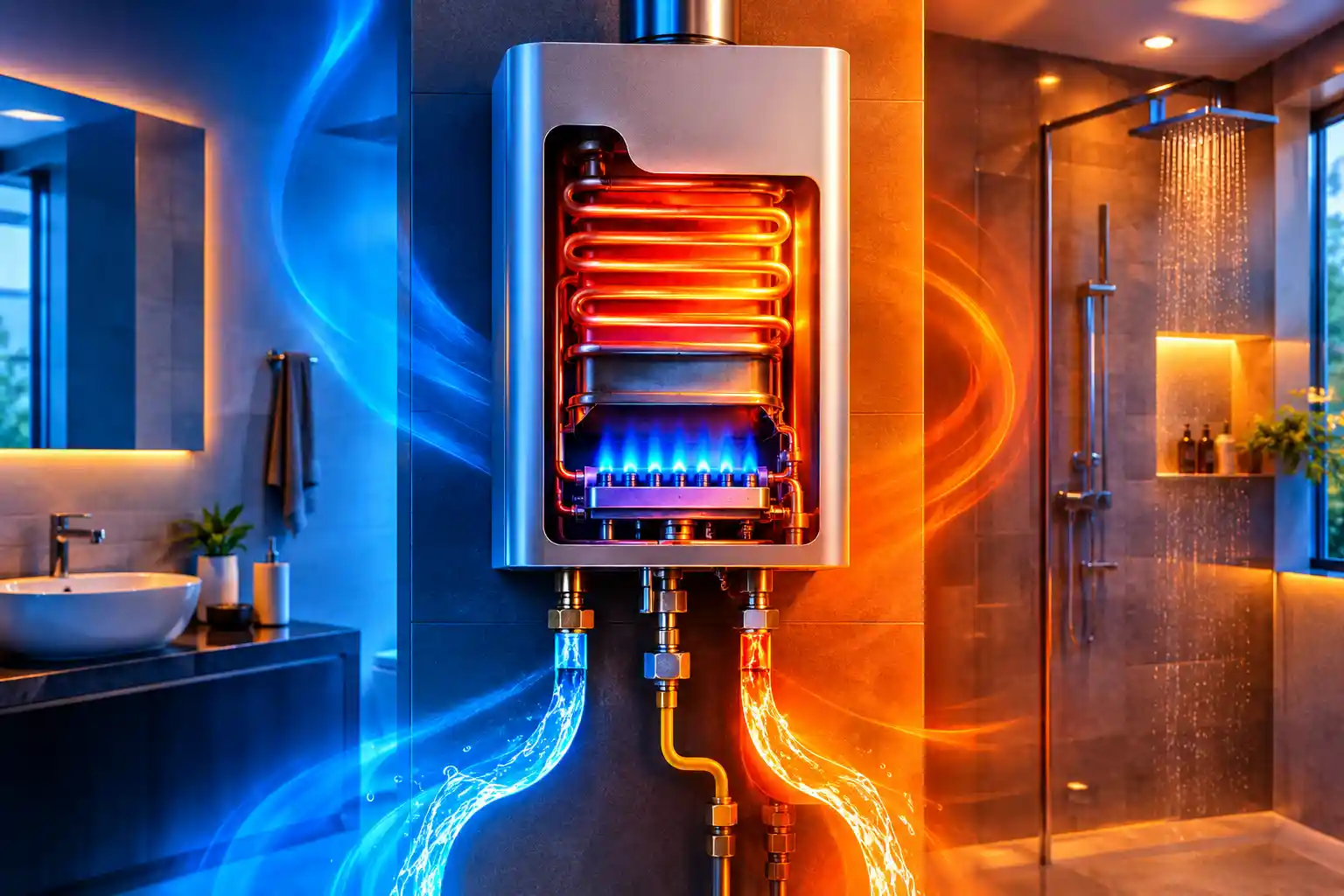
Almost all electric geysers are labelled with ‘This appliance must be earthed’ for a reason. To understand the risks associated with a geyser, it’s important to first understand how it works. In simple terms, a geyser is an advanced version of an immersion rod, with an electric heating element fitted inside a metallic tank.
It’s worth noting that the heating element is coated with a special electric-proof coating to prevent the release of electricity into the water. The geyser also has an inbuilt thermostat or thermal cut-off switch, which detects the water temperature at all times.
When the temperature reaches a certain value, it cuts off the electricity supply to avoid overheating. Overall, when you switch on the geyser, electricity passes into the heating element and heats the water, while the thermostat ensures that the temperature remains safe.
Leak From Geysers
There are several reasons why electricity can leak from geysers. One possible reason is that the heating element may lose its protective, electric-proof coating due to manufacturing defects or wear and tear over time.
Corrosion on the heating element can also cause electricity leakage. Faulty wiring and electricity fluctuations can cause electricity to pass through unintended paths, such as water taps. If you run a geyser without earthing, electricity leakage can pass through the water and cause electrocution.
In summary, it’s always good practice to opt for earthing every appliance in the home. However, earthing alone doesn’t completely prevent electrocution. In addition to earthing, there are other safety measures that can be taken, such as installing MCB, RCCB, and ELCB.
How to Check If Your Geyser Is Actually Earthed
Don’t assume earthing just because the geyser has a three-pin plug or a wire touching a nearby metal pipe, neither guarantees a working earth connection. A pipe that isn’t itself properly grounded, or an earth wire that’s been connected incorrectly, can look fine while doing nothing.
- Have an electrician test it properly with a continuity tester or multimeter, this confirms an actual low-resistance path to earth, not just a visible wire.
- Never assume the earth wire is doing its job just because it’s connected to a water pipe or the neutral line, it should run to a dedicated earth point.
- Watch for warning signs in daily use: a mild tingling sensation when touching the geyser body or a tap, lights flickering when the geyser switches on, or the geyser tripping the circuit repeatedly.
- If you notice any of these, stop using the geyser and get it checked before switching it on again.
Our Geyser Installation Guide covers what a correct installation, earthing included, should look like from the start.
Only Earthing is NOT 100% Safe
However, in most cases, earthing provides protection against electrocution, and an additional layer of safety is provided by circuit breakers such as ELCBs, RCCBs, and MCBs, which are used in conjunction with earthing.
RCCB ( Residual Current Circuit Breaker )
RCCBs, also known as RCDs (Residual Current Devices), provide an additional layer of safety in case of electrocution. When an electric shock occurs, the RCCB detects the electricity leakage and immediately cuts off the electricity supply.
This ensures your safety while bathing by preventing further electric shocks. Typically, RCCBs are installed in the home’s main electricity board, providing protection for the entire home, including the bathroom where the geyser is installed. RCCBs can cost between 2000 to 3000 rupees, depending on your power needs, phase (2-phase / 3-phase), and brand, and can be easily purchased from Amazon.
It is always recommended to consult a qualified electrician to determine the appropriate RCCB for your needs and installation. ELCBs (Earth Leakage Circuit Breakers) are similar to RCCBs in that they are designed to cut off the electricity supply to prevent electric shocks. However, their working methods are slightly different from those of RCCBs.
Without going into further detail, we recommend using RCCBs, as they are a newer and more advanced technology.
PRCD ( Portable Residual Current Device )
The functionality of PRCD (Portable Residual Current Device) is similar to RCCB, with the only difference being that PRCD is a socket plug. Like RCCB, in case of an electric shock, it simply cuts off the electricity supply (trips the circuit). You can insert the geyser plug into the PRCD socket and then plug the PRCD into the wall socket.
MCB ( Miniature Circuit Breaker )
In simple words, an MCB alone won’t protect you from an electric shock. However, it will cut off the electricity supply during a short-circuit, appliance malfunctions (fluctuating and excessive electricity consumption), and overheating/burning of wires.
Overall, MCBs protect your appliances and home, which ultimately saves you. MCBs should be installed in the home’s main supply board. It is always recommended to consult a qualified electrician to determine the suitable MCB as per your needs and installation requirements.
Shock Shield Electric Water Heater Valve
The Shock Shield Electric Water Heater Valve is a newly introduced safety device for geyser systems. Placed on the inlet and outlet water valves, it blocks the passage of electricity, enhancing safety during maintenance. Despite being manufactured in China, people don’t know if it’s reliable yet. Visit the “Mavigadget” website and search for “Shock Shield Electric”. Below is a YouTube short that Explains How it works:
Modern Geysers with Built-In Leakage Protection
Some newer smart geysers from brands like Havells and Racold include built-in leakage detection that shuts the unit off automatically and shows an error code if it senses current leaking somewhere it shouldn’t. That’s a useful extra layer, and worth asking about if you’re buying a new geyser, but it’s still not a substitute for proper earthing. Treat it as one more safeguard on top of earthing and an RCCB, not instead of them.
Frequently Asked Questions
Can I use a geyser safely with just an RCCB and no earthing?
No. An RCCB reacts after a leakage current is already flowing and cuts the power quickly, but it isn’t a replacement for a proper earth path. Use both together, not one instead of the other.
How can I tell my geyser isn’t earthed properly without an electrician?
You can’t confirm it with total certainty on your own, but a mild tingling sensation when you touch the geyser body or a metal tap, or lights flickering when it switches on, are signs worth taking seriously and getting checked immediately.
Is it expensive to get a geyser properly earthed?
Not usually, it’s a small job for an electrician compared to the cost of a proper geyser installation, and it’s far cheaper than the risk it removes. If your geyser needs a full reinstall with correct earthing, see our Geyser Installation Guide for what that should involve.
Does a melted geyser switch mean an earthing problem?
Not necessarily, that’s more often a wiring or overload issue, but it’s worth having both checked at the same time. See Why Does a Geyser Switch Melt? for the common causes.
Related Searches
People researching this topic also search for: how to check if geyser is earthed, geyser earthing wire connection, RCCB vs ELCB for geyser, geyser electric shock prevention, geyser earthing cost, geyser tripping MCB frequently, and is it safe to use geyser without earthing.
Conclusion
The safest approach to protect against electric shock is to ensure that the geysers are properly earthed. Earthing ensures that electricity leakage is directed to the earth through a thin copper cable, preventing it from passing through the human body and causing electrocution.
In addition to earthing, we highly recommend using RCCB and MCB for added safety measures. RCCB quickly cuts off the electricity supply in case of electric shock, while MCB protects the appliance and home from short-circuit and electrical malfunctions. Our recommendation is to install earthing, RCCB, and MCB with geysers to ensure maximum safety.