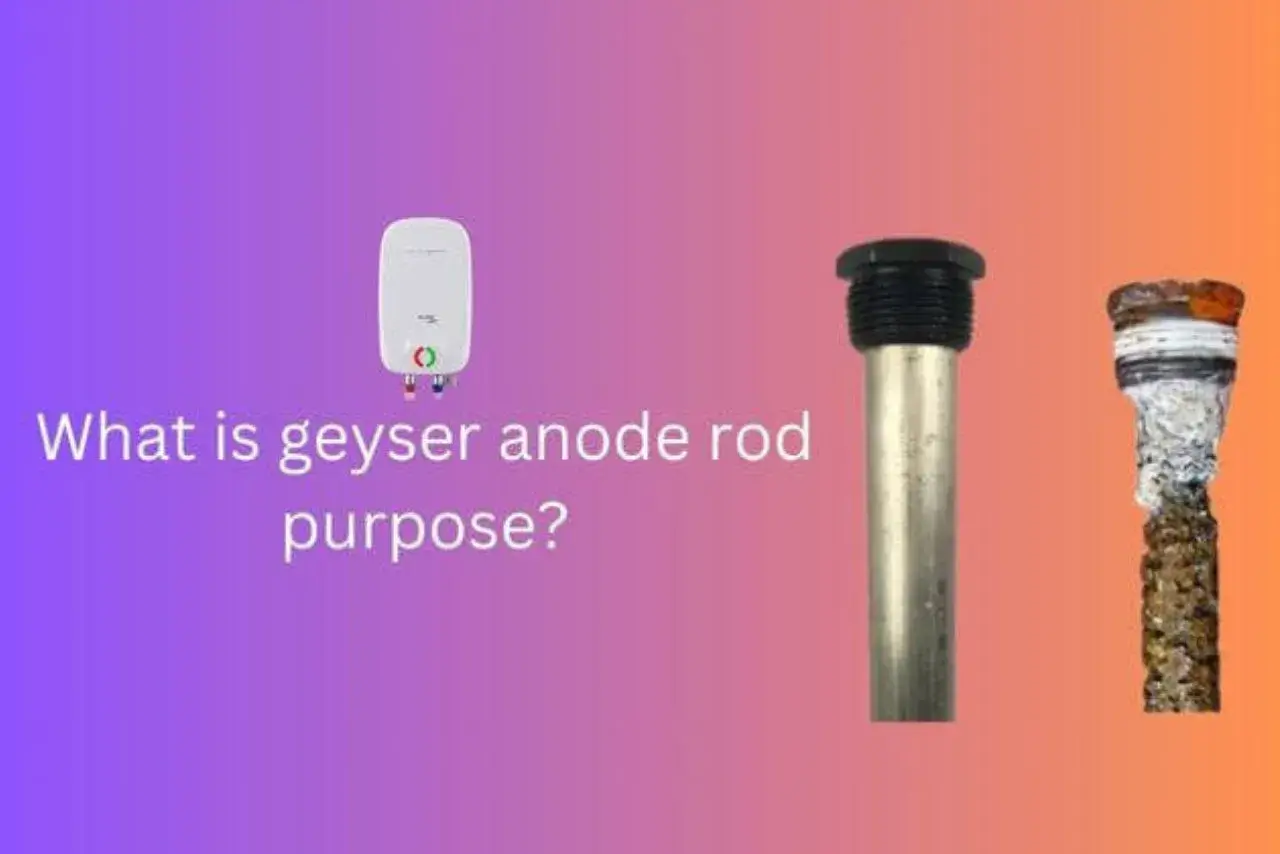
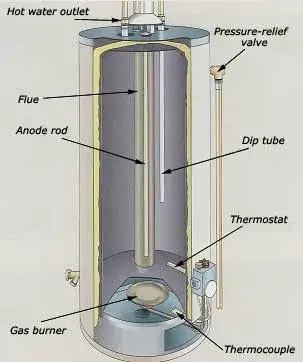
Anode rod, also known as a “sacrificial rod,” is made up of magnesium or aluminium and is fitted along with a heating element in a geyser tank, always submerged in water. The anode rod attracts iron, limestone, salt particles, and other minerals present in the water, which causes it to corrode or rust. At the same time, it protects the water tank from rusting. So, how does the anode rod work to protect the geyser? And what is The Anode Rod Purpose?
Try to choose the right geyser by answering simple questions without reading any Buying Guide.
Why trust this guide: This article is written by Abdul Khader, who has spent over 4 years servicing geysers and replacing anode rods in Indian homes with every kind of water quality. The signs and timelines below come from what’s actually found inside tanks on real service visits, not just a manufacturer’s suggested schedule.
Quick answer: The anode rod is a sacrificial metal rod that corrodes on purpose so your geyser’s tank doesn’t. Check it every 2 to 3 years, sooner in hard water areas, and replace it once it’s worn down or your hot water starts smelling like rotten eggs.
What is Purpose of Anode Rod in Water Heater?
Although geyser water tanks are coated with enamel or glass lining, there is a possibility of cracks or chipping in the glass lining. Hard water can seep into these cracks and start rusting the tank.
This is where the anode rod comes into the picture. Technically, the anode rod is made up of magnesium or aluminium, which corrodes or rusts quickly in water. In short, due to the chemical properties of magnesium/aluminium, the anode rod rusts faster than the iron/steel tank, thereby preventing the tank from rusting until the metal of the anode rod completely corrodes away.
The anode rod sacrifices itself (by rusting faster) to save the tank, which is why it is also known as a “sacrificial rod.”
Do I need an Anode Rod in my Geyser?
Yes, obviously. A geyser without an anode rod is vulnerable to rust, which can cause the tank to leak and reduce its lifespan. Nowadays, most manufacturing companies provide an anode rod by default. However, it is essential to regularly replace old, rusted anode rods.
Types of Anode Rods Compared
It depends on the quality and hardness of the water in your home. Magnesium anode rods are preferred for use with soft water, whereas aluminium rods are suitable for use with hard and high-pH water. There’s also a third option worth knowing about:
- Magnesium: Corrodes fastest and offers the strongest protection, best suited to soft water. It’s also the type most likely to react with sulfate-reducing bacteria and cause a rotten egg smell.
- Aluminum or aluminum-zinc: Corrodes more slowly, works better with hard or high-pH water, and is much less prone to causing odor issues.
- Powered (electric) anode rod: Uses a small electric current instead of sacrificial metal, so it doesn’t wear down or need replacing on the usual schedule. It costs more upfront but is worth considering if odor has been a recurring problem.
Signs Your Anode Rod Needs Replacing
- The rod is worn down to less than half its original thickness
- It’s heavily corroded or coated in calcium buildup
- Your hot water has developed a metallic or sulfur-like smell
- Hot water is coming out with a rust-colored tint
- Your geyser is 3 years old or more and the rod has never been checked
Left unreplaced once it’s fully corroded away, the tank itself becomes the next thing the water attacks, which is how a slow leak eventually starts. See Geysers for Hard Water for the full maintenance picture if you’re in a hard water area.
How the Anode Rod Is Checked and Replaced
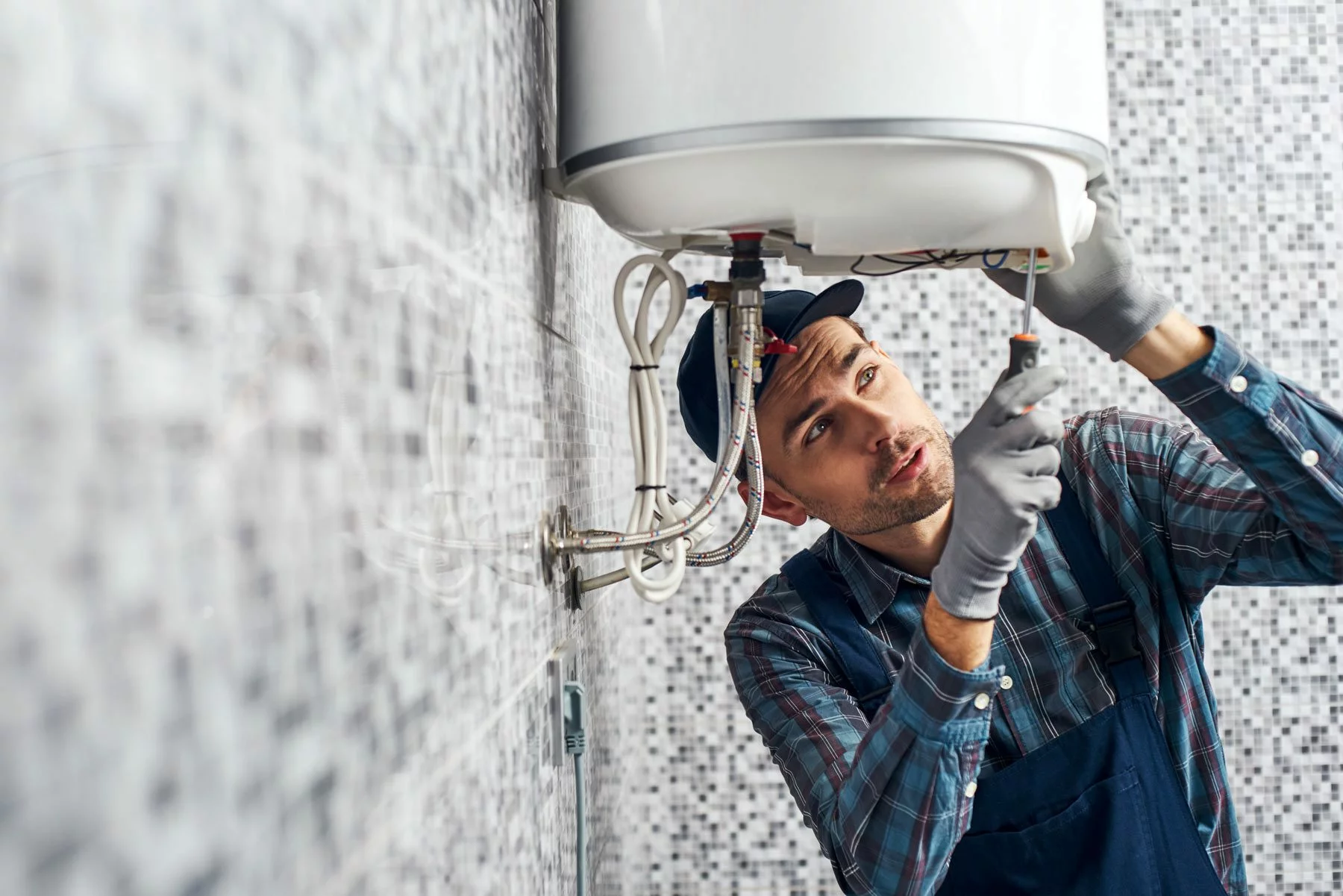
This is roughly what happens during a check, and it involves working with a pressurized tank and an electrical connection, so it’s a job for a technician rather than a weekend DIY project:
- Power to the geyser is switched off at the breaker, and the cold water inlet valve is closed.
- A hose is attached to the drain valve to release some water and lower the level below the rod.
- The rod is unscrewed from the top of the tank and pulled out for inspection.
- If it’s worn down to less than half its original thickness, or heavily corroded, it’s replaced with a new rod of the appropriate type.
- The tank is refilled completely, checked for leaks, and only then is the power switched back on.
Replacement typically costs a few hundred rupees for the part, plus a technician’s visit charge, small compared to the cost of a new tank if corrosion is left unchecked for years.
Popular Geyser Articles
- Instant Vs Storage Geyser
- What is Gas Geyser?
- How to Use an Instant Geyser?
- Which Geyser Consumes Lowest Electricity?
- How to Clean a Geyser at Home?
Frequently Asked Questions on Anode Rod Purpose
When Should the Anode Rod be Replaced?
Again, it depends on the quality of the water and usage. Our suggestion is to replace or at least check the anode rod every three years. In case the water is hard, it should be checked once every two years.
Why does the Anode Rod Rust a Lot?
If the anode rod is rusting and corroding, it means it’s doing its job very well. It’s fulfilling its purpose by sacrificing itself to protect the water tank. The level and speed of rusting depend on the minerals present in the water and the hardness of the water
Does the Anode Rod make a Water Smell?
Sometimes, it can cause a rotten egg smell. When the anode rod rusts and corrodes, it reacts with water and produces “hydrogen sulfide” in the water heater, causing a rotten egg smell. In such cases, a plumber or geyser technician needs to clean the tank and replace the rusted anode rod.
Switching to an aluminum-zinc alloy rod, or a powered anode rod, often stops the smell from coming back, since the reaction that produces hydrogen sulfide is less likely with these than with a standard magnesium rod.
Do all Electric Water Heaters Have an Anode Rod?
It depends on the manufacturer. Mostly, instant/tankless water heaters don’t have an anode rod. But mostly all storage/tank geysers have one. However, before buying a geyser, it is advisable to check for an anode rod.
How do You Check an Anode Rod in a Geyser?
A professional technician will check it. They will need to unmount and open the geyser. Depending on the level of rust, the anode rod may need to be replaced.
How Much Does Anode Rod Replacement Cost?
The rod itself is inexpensive, usually a few hundred rupees, with the technician’s visit charge added on top. It’s a minor cost next to what a new geyser costs if the tank corrodes through and needs replacing entirely. Bob Vila’s guide has more detail on typical replacement costs if you want a wider reference point.
Does a Regular Geyser Service Include Checking the Anode Rod?
It should, though it’s worth confirming with your technician rather than assuming. See Does a Geyser Need Service? for what a proper service visit should cover.