The disadvantages of electric geysers often catch homeowners by surprise, especially when the first electricity bill arrives. While electric water heaters remain popular for their simple installation and compact design, they come with significant drawbacks that can impact your wallet, comfort, and overall satisfaction.
Understanding these limitations before making a purchase decision can save you thousands of dollars and prevent frustrating experiences down the line. This comprehensive guide examines the real-world challenges of electric water heating systems, from energy consumption to performance issues.
Contents
- 1 High Energy Consumption and Operating Costs
- 2 Limited Hot Water Capacity and Recovery Time
- 3 Installation and Space Limitations
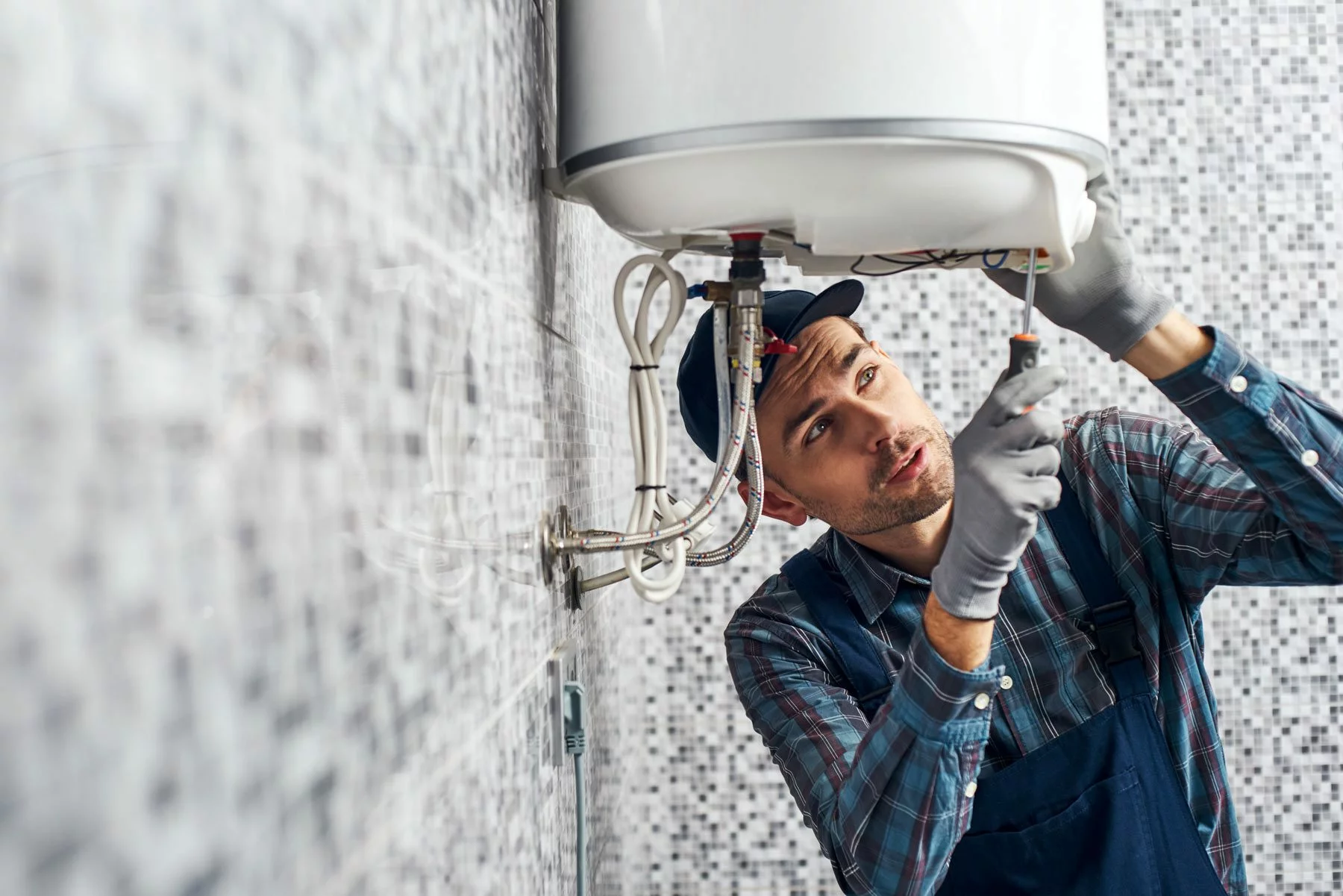
- 4 Maintenance Issues and Component Failures
- 5 Electric vs Gas Water Heater Comparison
- 6 Safety Concerns and Electrical Risks
- 7 Environmental and Efficiency Considerations
- 8 Expert Recommendations and Practical Solutions
- 9 Real-World Case Study
- 10 Conclusion
- 11 Frequently Asked Questions ( FAQs )
- 11.1 Q1: What is the biggest disadvantage of electric geysers?
- 11.2 Q2: How long does an electric water heater take to heat water?
- 11.3 Q3: Do electric geysers consume electricity when not in use?
- 11.4 Q4: What is the average lifespan of an electric water heater?
- 11.5 Q5: Are electric water heaters more expensive to run than gas?
High Energy Consumption and Operating Costs
Electric Water Heater Energy Consumption Reality
Electric geysers rank among the most energy-intensive appliances in your home, typically accounting for 15-25% of your total electricity bill. A standard 15-liter electric water heater consumes between 2000-3000 watts per hour of operation. When you factor in daily usage patterns for a family of four, this translates to 3-5 hours of heating time, consuming approximately 6-15 kWh daily.
The electric water heater running cost becomes particularly problematic in regions with high electricity rates. At an average rate of $0.12 per kWh, running an electric geyser can add $50-90 to your monthly electricity bill. During winter months when water temperatures drop significantly, these costs can spike by an additional 30-40%.
Standby Heat Loss Drains Your Budget
One often overlooked aspect of electric water heater disadvantages is standby heat loss. Storage-type electric geysers continuously lose heat through their tank walls, requiring the heating element to cycle on repeatedly throughout the day to maintain water temperature. This phantom energy consumption occurs even when you’re not using hot water, wasting approximately 10-20% of the energy consumed.
Limited Hot Water Capacity and Recovery Time
Running Out of Hot Water at Critical Moments
Electric geysers store a finite amount of hot water, typically ranging from 10 to 50 liters in residential models. Once this supply depletes, you face a significant waiting period. A standard 25-liter electric water heater takes 30-45 minutes to reheat a full tank from cold, creating frustrating delays during peak usage times.
This limitation becomes particularly problematic for larger families or homes with multiple bathrooms. Sequential showers quickly exhaust the available hot water, leaving the last person with cold water and a long wait. The recovery rate of electric geysers is substantially slower compared to gas-powered alternatives.
Inadequate Performance During Winter
Temperature differential plays a crucial role in heating efficiency. During winter months, incoming water temperatures can drop to 10-15°C (50-59°F), requiring significantly more energy and time to reach comfortable bathing temperatures of 45-50°C (113-122°F). This extended heating time exacerbates the capacity limitations and increases operational costs.
Installation and Space Limitations
Electric geysers require strategic placement near bathrooms or kitchens, limiting your installation options. The weight of a filled water heater (a 25-liter unit weighs approximately 50-60 kg when full) demands robust wall mounting or floor support. Many older homes lack the structural capacity or electrical infrastructure to support these units safely.
Key installation challenges include:
- Requirement for dedicated electrical circuits rated at 15-30 amps
- Need for proper earthing and safety mechanisms
- Limited flexibility in placement due to plumbing constraints
- Bulky design consumes valuable bathroom or utility space
- Potential need for electrical panel upgrades in older homes
Maintenance Issues and Component Failures
Heating Element Deterioration
The heating element, the heart of any electric geyser, faces constant stress from temperature fluctuations and mineral buildup. In areas with hard water, calcium and magnesium deposits coat the heating element, reducing efficiency by 20-30% within the first year. These elements typically require replacement every 3-5 years, costing $100-200, including labor.
Corrosion and Tank Failure
Despite protective measures like sacrificial anode rods and glass lining, electric water heater tanks gradually corrode from the inside. The constant presence of water, combined with high temperatures and mineral content, accelerates this degradation. Tank failures typically occur after 8-12 years, requiring complete unit replacement rather than repair.
Common maintenance expenses include:
- Annual sacrificial anode rod inspection and replacement ($80-150)
- Tank flushing to remove sediment buildup ($75-125 annually)
- Thermostat replacement ($100-180)
- Pressure relief valve replacement ($50-100)
- Complete heating element replacement ($150-250)
Electric vs Gas Water Heater Comparison
When evaluating electric water heater pros and cons against gas alternatives, several factors emerge:
Operating Costs: Gas water heaters typically cost 40-50% less to operate than electric models due to lower natural gas prices in most regions.
Recovery Speed: Gas units heat water 2-3 times faster than electric geysers, virtually eliminating wait times between uses.
Longevity: Gas water heaters often last 12-15 years compared to 8-12 years for electric models.
Environmental Impact: In regions where electricity comes primarily from coal or natural gas power plants, electric geysers may have a larger carbon footprint than direct gas heating.
However, electric geysers do offer advantages in initial cost (typically $300-500 less than gas models) and simpler installation in homes without existing gas lines.
Popular Geyser Articles
- Instant Vs Storage Geyser
- What is Gas Geyser?
- How to Use an Instant Geyser?
- Which Geyser Consumes Lowest Electricity?
- How to Clean a Geyser at Home?
Safety Concerns and Electrical Risks
Disadvantages of Electric geysers present specific safety hazards that require attention:
Electrical Hazards: Water and electricity create dangerous combinations. Faulty wiring, damaged heating elements, or compromised insulation can lead to electric shocks. Improper earthing systems increase this risk significantly.
Scalding Risk: Electric geysers can superheat water beyond safe temperatures if thermostats malfunction. Water heated above 60°C (140°F) can cause third-degree burns in seconds, particularly dangerous for children and older people household members.
Pressure Buildup: Failed pressure relief valves can cause dangerous pressure accumulation inside the tank, potentially leading to explosive ruptures. Regular valve testing remains crucial but often neglected.
Environmental and Efficiency Considerations
The environmental disadvantages of electric geysers extend beyond operational costs. The overall efficiency of electric water heating depends heavily on your region’s electrical grid composition. If your electricity comes from coal or natural gas power plants, the conversion losses from fuel to electricity to heat result in only 30-35% overall efficiency.
Carbon emissions from electric water heaters in coal-dependent regions can exceed those of efficient gas water heaters. Additionally, the manufacturing process for electric geysers, particularly the energy-intensive production of heating elements and storage tanks, contributes to their environmental footprint.
Expert Recommendations and Practical Solutions
Based on 15 years of experience consulting on residential water heating systems, I recommend the following strategies to mitigate electric geyser disadvantages:
Optimize Usage Patterns: Schedule high-demand activities (laundry, dishwashing, bathing) at staggered times to prevent capacity issues. Consider installing a timer to heat water only during off-peak electricity hours if your utility offers time-of-use pricing.
Implement Insulation Upgrades: Adding a water heater blanket can reduce standby heat loss by 25-40%, particularly for older units. Insulating the first few feet of hot water pipes prevents heat dissipation during delivery.
Consider Hybrid Solutions: For new installations, evaluate heat pump water heaters, which use electricity 60-70% more efficiently than conventional electric geysers. While initial costs run higher, payback periods typically range from 3-5 years.
Regular Maintenance Protocol: Flush your tank every six months in hard water areas, test the pressure relief valve quarterly, and inspect the anode rod annually. These simple steps can extend equipment life by 30-40%.
Real-World Case Study
The Johnson family in Phoenix, Arizona, replaced their 12-year-old 40-gallon electric water heater after experiencing these exact disadvantages. Their monthly electricity bills averaged $145, with the water heater consuming $65 of that total. After switching to a tankless gas system, their water heating costs dropped to $28 monthly, saving $444 annually. They also eliminated the frustration of running out of hot water during their busy morning routine.
This example illustrates how the cumulative disadvantages of electric geysers can significantly impact both finances and quality of life over time.
Conclusion
The disadvantages of electric geysers encompass high operating costs, limited capacity, slow recovery times, and significant maintenance requirements. While these systems offer simplicity and low initial investment, the long-term financial and practical implications deserve careful consideration.
Understanding electric water heater energy consumption patterns, comparing electric vs gas water heater performance, and honestly assessing your household’s hot water needs will guide you toward the most appropriate solution. For many homeowners, the apparent convenience of electric geysers masks substantial ongoing costs and limitations that alternative technologies address more effectively.
Frequently Asked Questions ( FAQs )
Q1: What is the biggest disadvantage of electric geysers?
A: The biggest disadvantage of electric geysers is their high energy consumption, which typically adds $50-90 (Rs. 4,200-7,500) to monthly electricity bills and accounts for 15-25% of total household energy use.
Q2: How long does an electric water heater take to heat water?
A: A standard electric geyser takes 30-45 minutes to fully heat a depleted tank, significantly longer than gas alternatives, making sequential usage problematic for families.
Q3: Do electric geysers consume electricity when not in use?
A: Yes, electric geysers consume electricity continuously through standby heat loss, wasting 10-20% of total energy as the heating element cycles on to maintain water temperature even when not in use.
Q4: What is the average lifespan of an electric water heater?
A: Electric geysers typically last 8-12 years with proper maintenance, shorter than gas water heaters, with tank corrosion and heating element failure being the primary causes of replacement.
Q5: Are electric water heaters more expensive to run than gas?
A: Yes, electric water heaters cost approximately 40-50% more to operate than gas models due to higher electricity rates and lower overall efficiency in most regions.