As winter is approaching, it is good to check the Geyser status and get it ready for the cold days. Hot water in winter is becoming a need than a luxury. We have collected common problems and presented the comprehensive geyser troubleshooting guide. Please see that we are presenting electrical geyser repair issues only. Gas geyser repair problems are different and quite complex, which need to be handled delicately.
We are listing a few common scenarios. It is better to check a few things before planning a repair by the technician. A few examples, like proper Geyser settings, thermostat settings, safety valves, and home earthing, can solve simple problems.
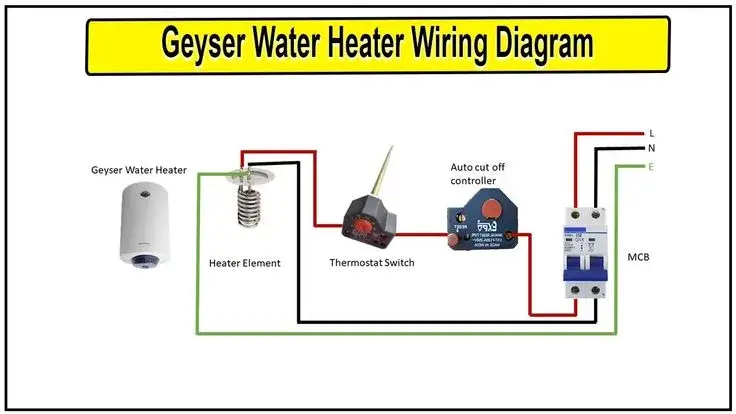
If the issue is not mentioned above, then most likely there is an issue with the heating element or thermostat. The heating element is responsible for heating the water, and the thermostat takes care of when to start heating the water and when to stop. The most important thing is not to approach a local plumber for geyser repair.
The local plumbers may not have expertise in all types of geysers and have a tendency to hack the problem and give temporary and inefficient solutions. It is always best to approach the manufacturer’s authorised service centre. Many brands send their technician to your home to fix the issue.
Why trust this guide: This article is written by Abdul Khader, who has spent over 4 years repairing and servicing geysers across Indian homes. The fixes and repair costs below come from real service calls, not a generic manual. For the full list of common failures beyond winter prep, see our Geyser Problems and Solutions guide.
Geyser Not Turning On
There could be two reasons. First, check whether your electricity connection is proper. If you are sure that the geyser’s electrical connection is proper, then the issue is different. Mostly, there won’t be a glowing light indicator.
Many Geyser models drip to avoid overheating problems. There is a button that monitors the overheating. When the water temperature reaches a very high level, it may drip off. But the new models have taken care of this scenario with the help of a thermostat. The real issue is that there is no water, and the Geyser is on for a long time.
The geyser heating element can burn down and damage the entire Geyser itself. In those scenarios, there is a safety button/switch that drips. Havells Geysers have such good provision. But that switch is inside the Geyser, so you need to call the customer care or plumber when it drips. Moral of the story: Check the water supply before switching on the Geyser.
Geyser Not Working or No Hot Water
In this scenario, Geyser is turning on. You can see the glowing light indicator. It looks like all is well. But the water is cold. There is no hot water. What to do? There can be a couple of reasons.
- The water heating element is damaged. Probably it is broken, or too much coercion. Somehow it is damaged.
- The thermostat is a device that monitors the geyser tank temperature. If the water is too hot, then it switches off, and if the water is cold below the threshold level, then it switches on.

You can set the thermostat settings. Basically, it is nob on the geyser where you can set the water temperature level – cold, medium hot, very hot. The first step is to check the thermostat level to see if it is not set to the cold level. If the thermostat is marked hot, then there is some real damage.
If the heating element or thermostat is damaged, then contact the manufacturer’s customer care. The brand will send you an authorised plumber or repairman to fix the issue. It is not suggested to approach a local plumber as they tend to fix by hack or jugaad. The problem will be repeated.
Popular Geyser Articles
- Instant Vs Storage Geyser
- Geyser Installation Guide
- Geysers for Hard Water
- Instant Geyser for Bathroom?
- Geyser Buying Guide
Water Not Hot Enough
As we mentioned above, the thermostat is a primary component for dealing with temperature settings. The cause for the geyser water not being hot enough is when the thermostat stops functioning or malfunctions. This results in the thermostat switching off the geyser, assuming the water is hot, but in fact, the water is cold.
Reset Button (ECO) Keeps Tripping
Most geysers have a small reset button, sometimes labeled ECO for Energy Cut-Off, that trips and cuts power if the water gets dangerously hot. Pressing it once to get hot water back is fine. If it keeps tripping again within a day or two, that’s not a one-off glitch, it usually means the thermostat is stuck or the heating element is failing. Don’t keep resetting it repeatedly and using the geyser as normal; call a technician once it trips more than once.
Geyser Making Noise (Rumbling, Popping, or Hissing)
These sounds almost always mean sediment has built up at the bottom of the tank, especially in hard water areas. As the sediment layer heats up, water trapped underneath it turns to steam and pushes through, which is what causes the popping or rumbling. A technician can drain and flush the tank to clear it. Left alone for too long, sediment buildup makes the geyser work harder, raises your electricity bill, and shortens the life of the heating element. Our guide on Geysers for Hard Water covers how to prevent it.
Geyser Taking Too Long to Heat Water
If your geyser used to heat up quickly and now takes noticeably longer, sediment buildup is the usual cause since it acts as insulation between the heating element and the water. A weakening heating element or low input voltage during peak hours can also slow things down. Try flushing the tank first; if heating is still slow afterward, the element likely needs to be tested.
Rusty or Discolored Water
Brownish or rust-colored hot water usually means corrosion inside the tank, most common in older geysers or ones without a glass-lined coating. This is a sign the tank itself is deteriorating rather than something a quick fix solves. If only the hot tap runs discolored while the cold tap is clear, the geyser is almost certainly the source, and it’s worth getting the tank inspected before it starts leaking.
Geyser Giving Shock
Check the earthing first. If earthing is bad, then many appliances give an electric shock. Usually, only one appliance does not give a shock. Anyway, it is better to check. If your home has good earthing and still your electrical Geyser is giving shocks, then it is very dangerous. In fact, it can even cause electrocution. Once you observe shock, immediately stop using the Geyser. Contact the concerned customer care. This is caused when the heating element is damaged, has cracks inside. The cracks lead to routing the electricity to water.
Geyser Leaking Water Or Geyser Keeps Tripping
Verify the electrical Geyser valves. When the valves are loose, Geysers tend to lose water. Tightening the valves should fix the issue. Otherwise, this can be caused by excessive pressure buildup. This is a common problem in high-rise apartments, as water comes with aggressive pressure from the top.
To overcome such common problems, many Geysers nowadays come with a safety pressure valve. When there is high pressure and the geyser tank cannot handle it is common to leak some water. One to two litres of water leaking is normal; more than that leaking you need to consult the technician. Know more about how to choose a Geyser for High Rise Building in our article.
Geyser Keeps Overflowing | Geyser Repair
Old electrical geyser models tend to overflow the water when the thermostat settings allow very high temperatures. The new models have been designed for the electrical geyser tanks size with a view to excess overflow after boiling. Still, the overflow can happen when the valves are loose.
When to Call a Professional vs. Check It Yourself
You can safely check these yourself before calling anyone:
- Whether the power point and MCB are actually on
- Whether the thermostat dial is set to hot rather than cold
- Whether the water inlet valve is fully open
- Whether the reset/ECO button has tripped once and needs a single press
Call a professional immediately, and stop using the geyser until they arrive, if you notice any of these:
- Any tingling or shock when touching the geyser or the water
- Water leaking from inside the tank itself, not just a loose fitting
- A burning smell or visibly damaged wiring near the unit
- The reset button tripping repeatedly within a day or two
What Common Geyser Repairs Typically Cost
Costs vary by city and brand, but this gives you a rough sense of what to expect so you’re not overpaying:
| Repair | Typical Cost |
|---|---|
| Thermostat replacement | ₹400 – ₹900 |
| Heating element replacement | ₹800 – ₹1,500 |
| Pressure relief valve replacement | ₹300 – ₹700 |
| Tank flushing / descaling service | ₹400 – ₹800 |
| Annual maintenance visit | ₹300 – ₹600 |
A quick way to sanity-check any repair quote: if it’s crossing half the cost of a new geyser, or the tank itself is cracked or badly corroded, replacement is usually the better call. See Does a Geyser Need Service? for how often to schedule maintenance so you catch these problems early.
Last One: Geyser Repair or Buy a New One
It is good to repair if it is a minor problem that can be fixed easily. The most important concern is whether Geyser is giving shocks because it is old; then, considering safety risks, it is better to bring a new one. Other than that, if Geyser is very old, more than 7 years, then the geyser equipment would have been old and a lot of corrosion in the tank and heating equipment.
Because of that, it may consume more electricity to heat the water. Considering long-term electricity charges, buying a new geyser online can be a logical option. Plumbers also charge significantly for repairs. It is no surprise that five plumbers’ visits and repairs cost half of the Geyser cost.
You can buy a new Geyser online, and the Geyser price ranges from Rs. 3000 to Rs. 20,000, depending on the model and varying capacity like 10 ltr, 15 ltr, and 25 ltr. Bajaj, Havells, Racold, and V-Guard are well-known brands.
Frequently Asked Questions
Is it normal for a geyser to make noise when heating?
A soft hum is normal. Rumbling, popping, or hissing is not, and it usually points to sediment buildup at the bottom of the tank that needs to be flushed out.
How often should a geyser be serviced?
Once a year for most homes, more often in hard water areas. Regular servicing catches sediment buildup and small leaks before they turn into a burnt element or a corroded tank.
Can I reset a tripped geyser myself?
Pressing the reset (ECO) button once is fine. If it trips again soon after, stop resetting it and call a technician, since repeated tripping usually means the thermostat or heating element has an underlying fault.
Why does my geyser take longer to heat water than it used to?
Sediment buildup is the most common cause, since it insulates the heating element from the water. A weakening element is the next most likely cause if flushing the tank doesn’t help.